Petit Delft
2026 | Delft, The Netherlands
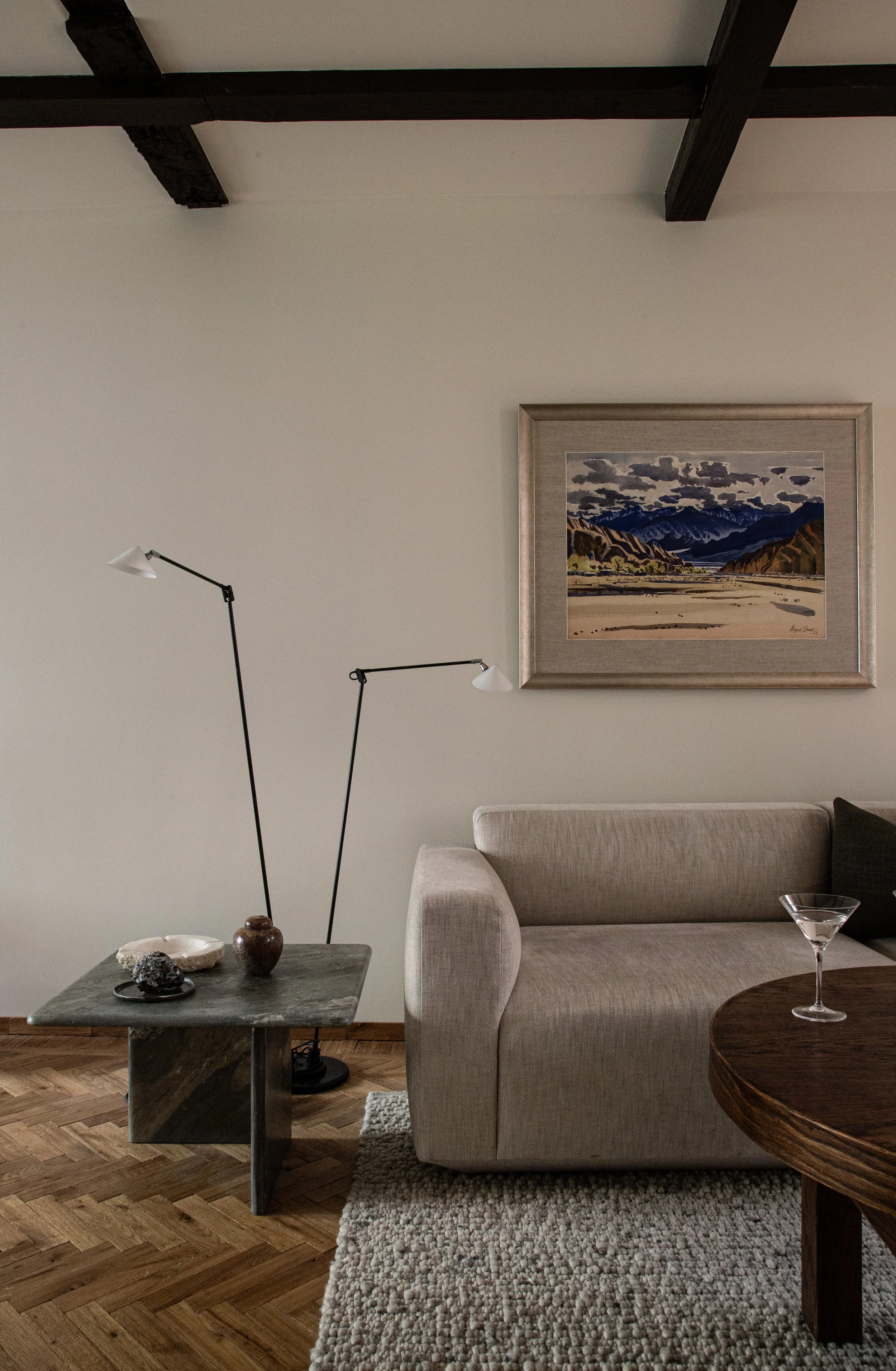
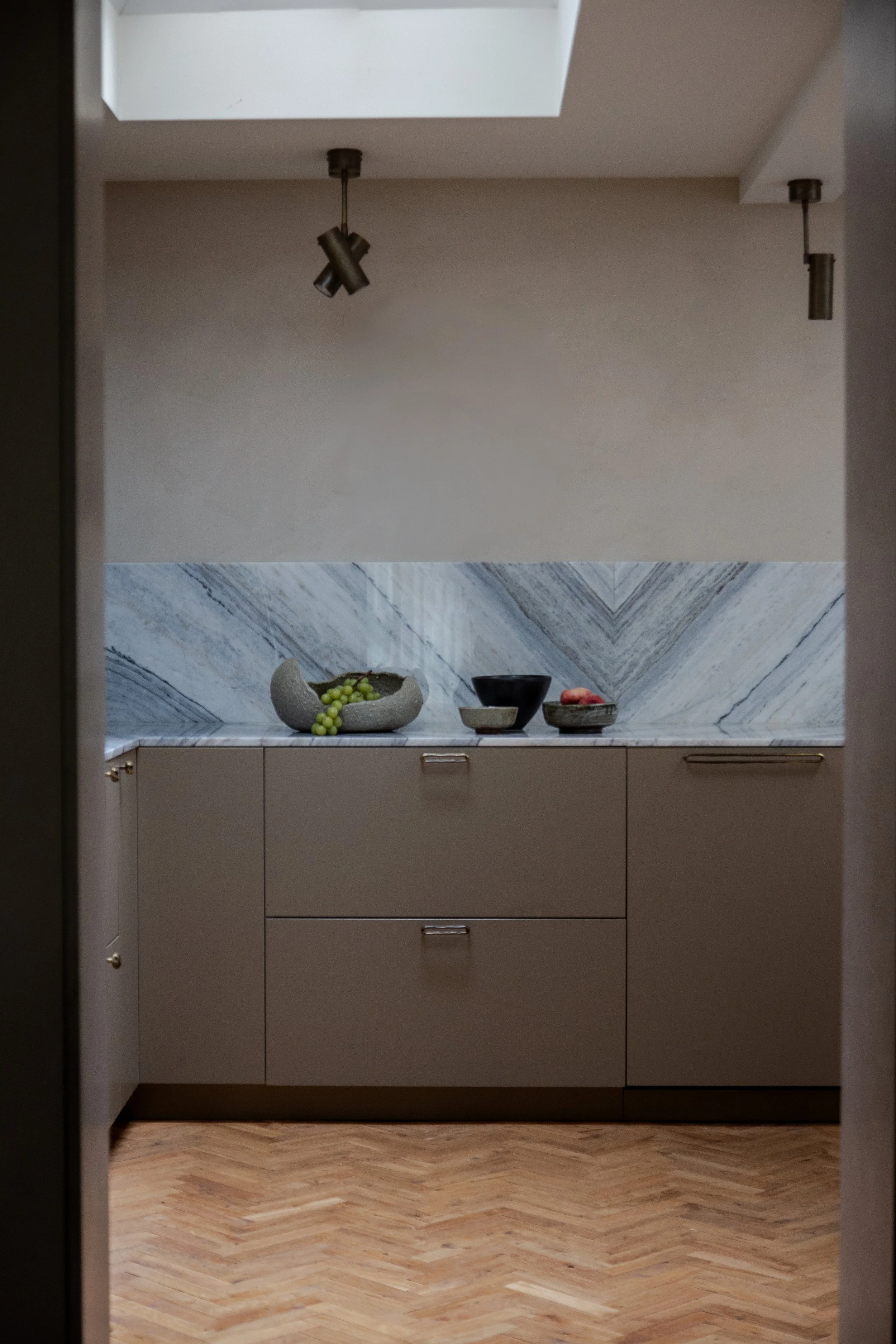
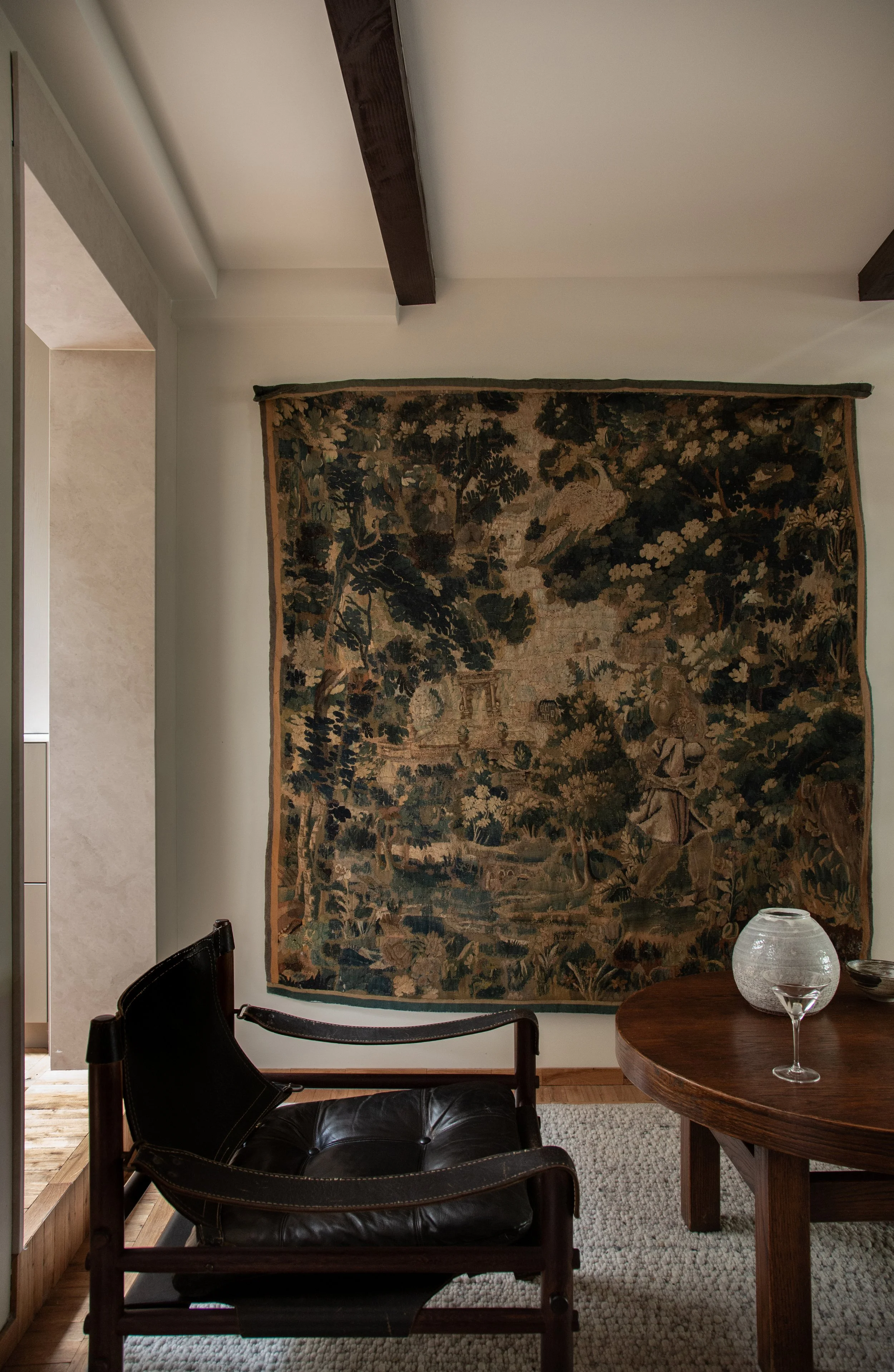
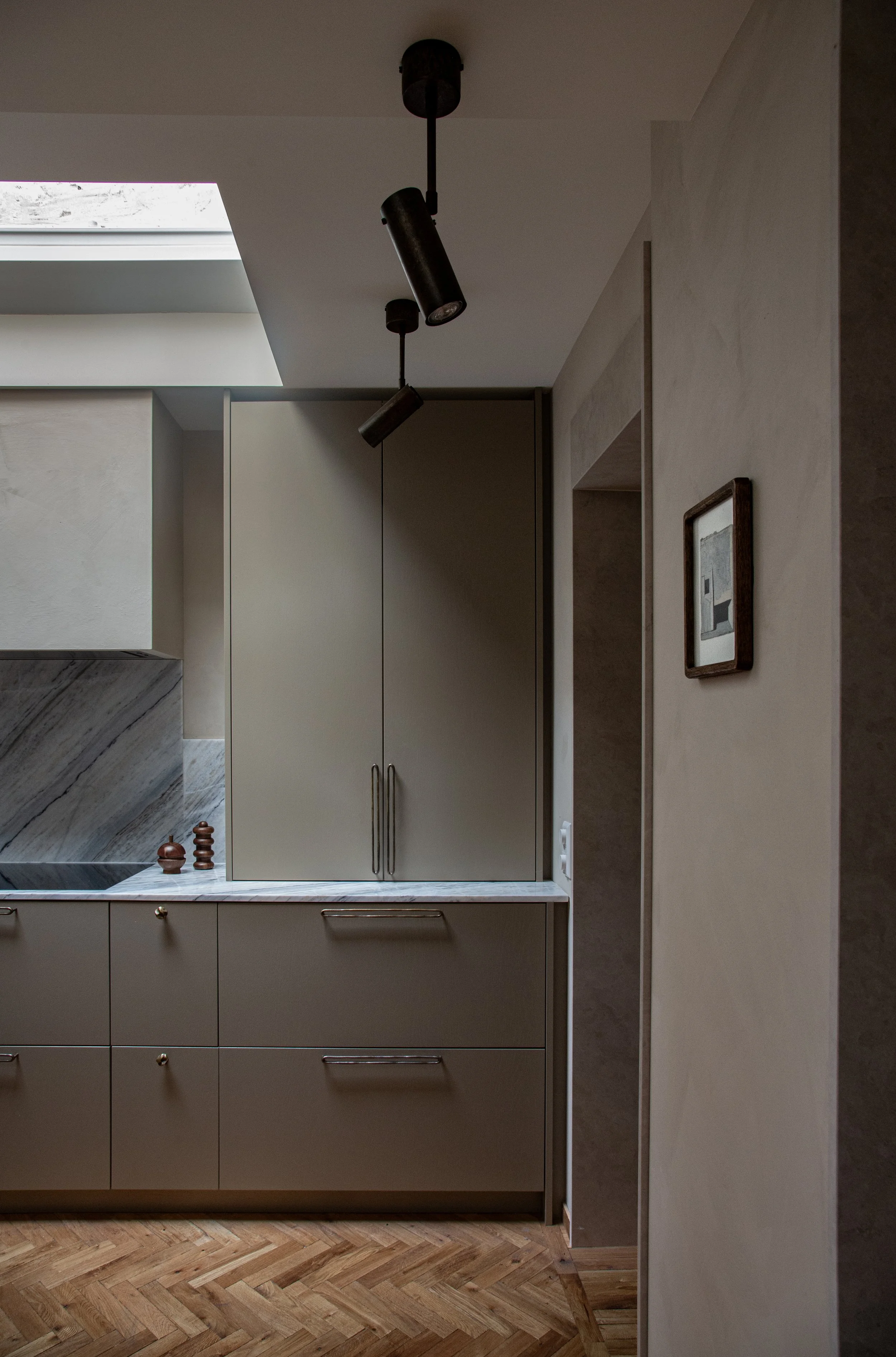
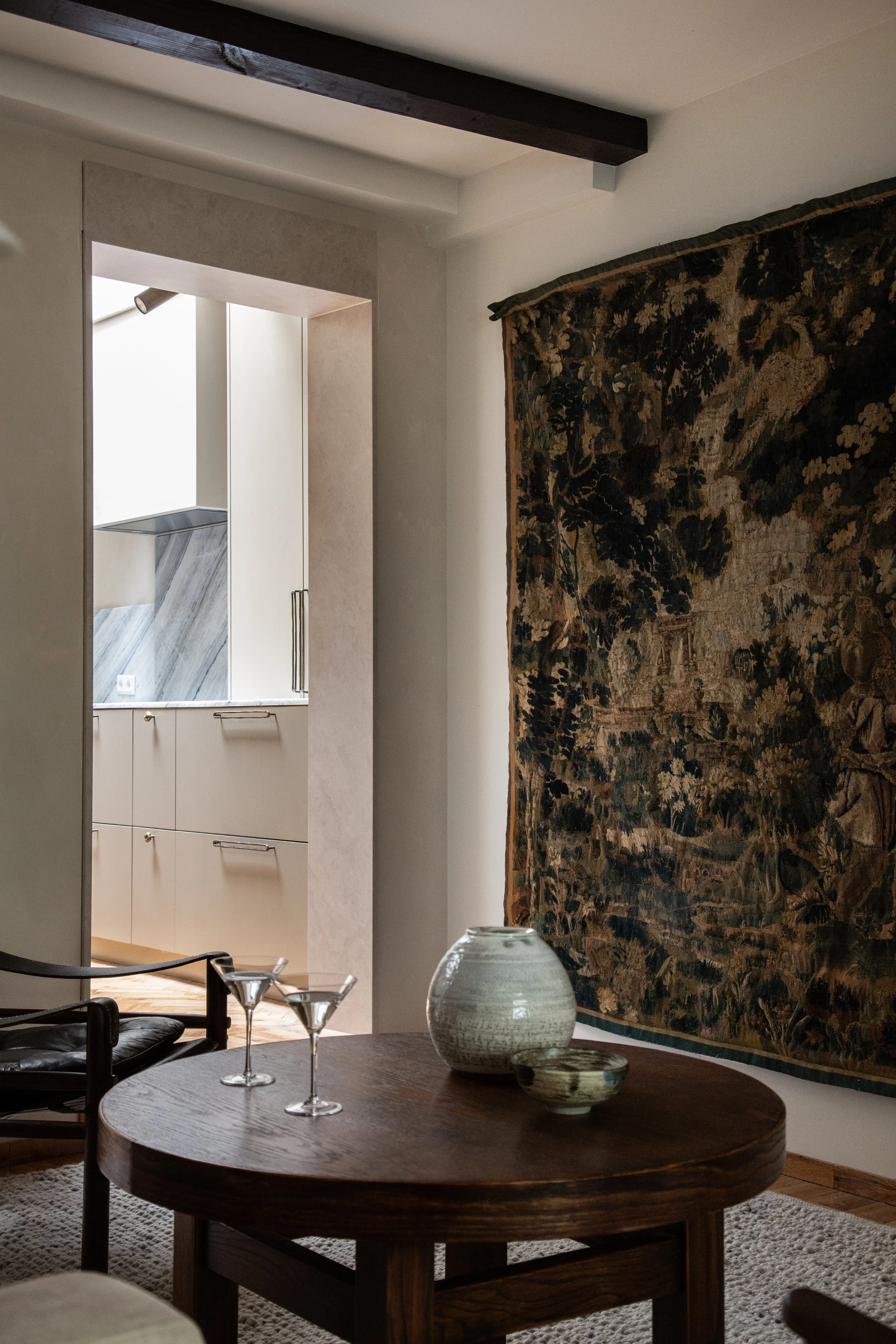
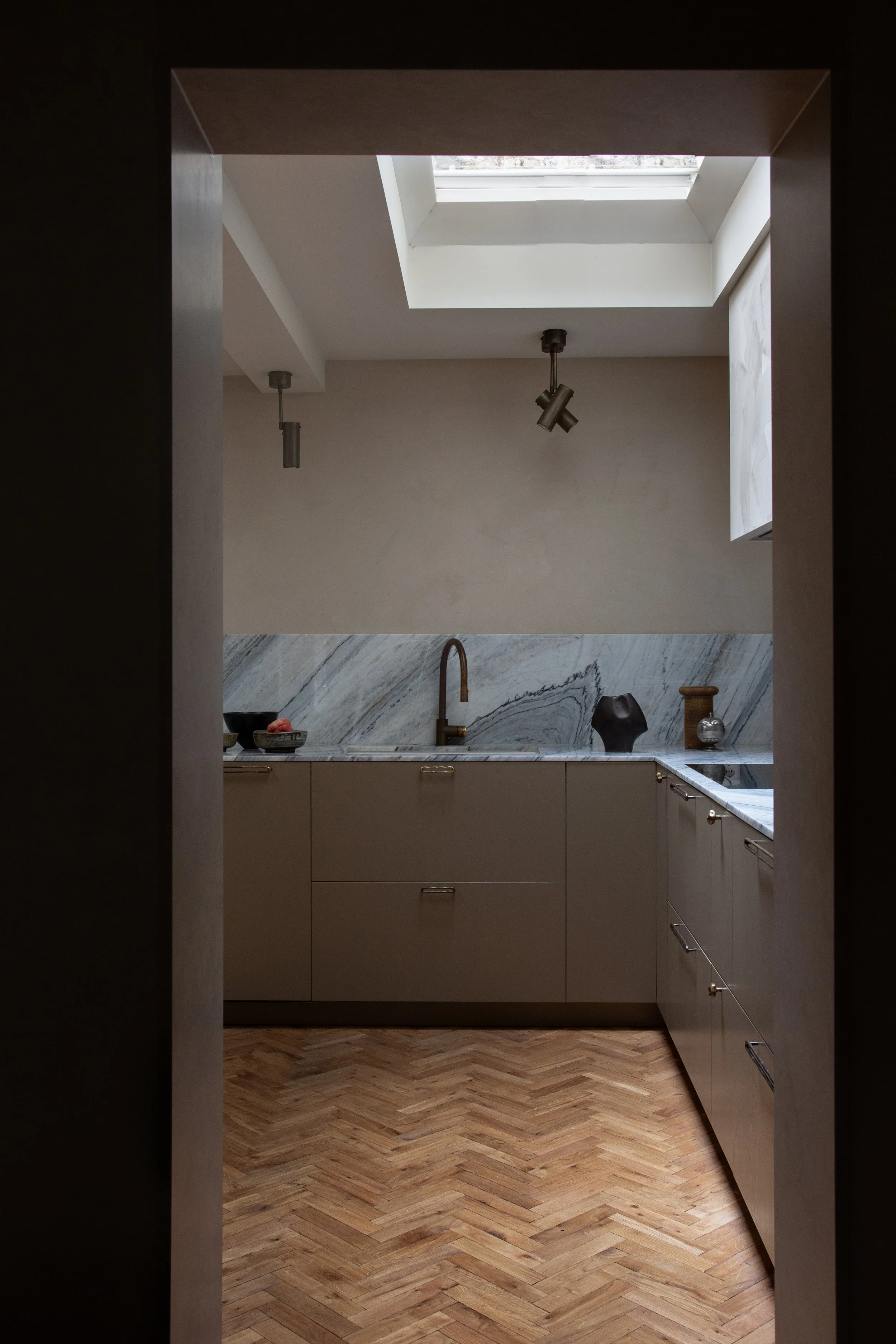
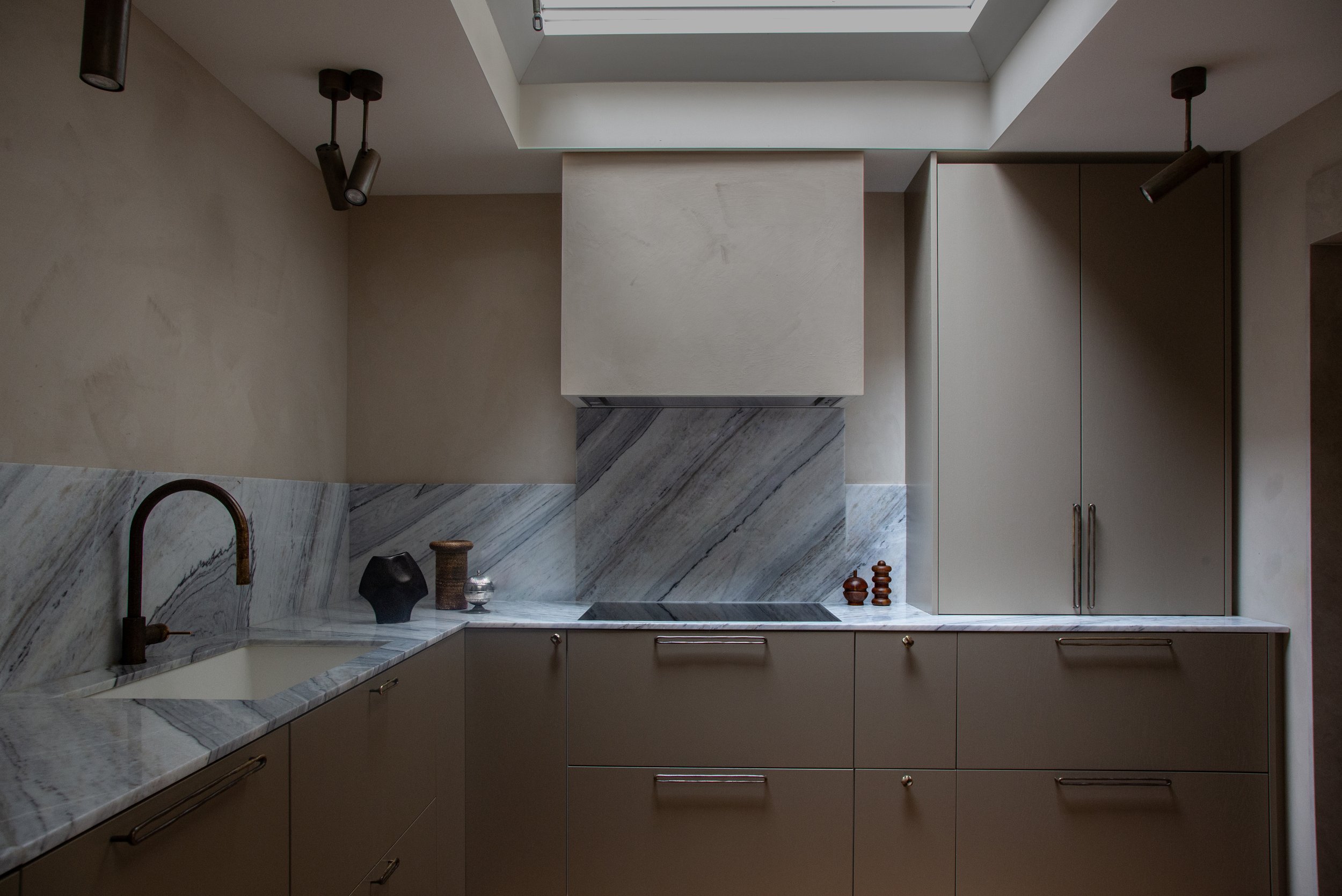
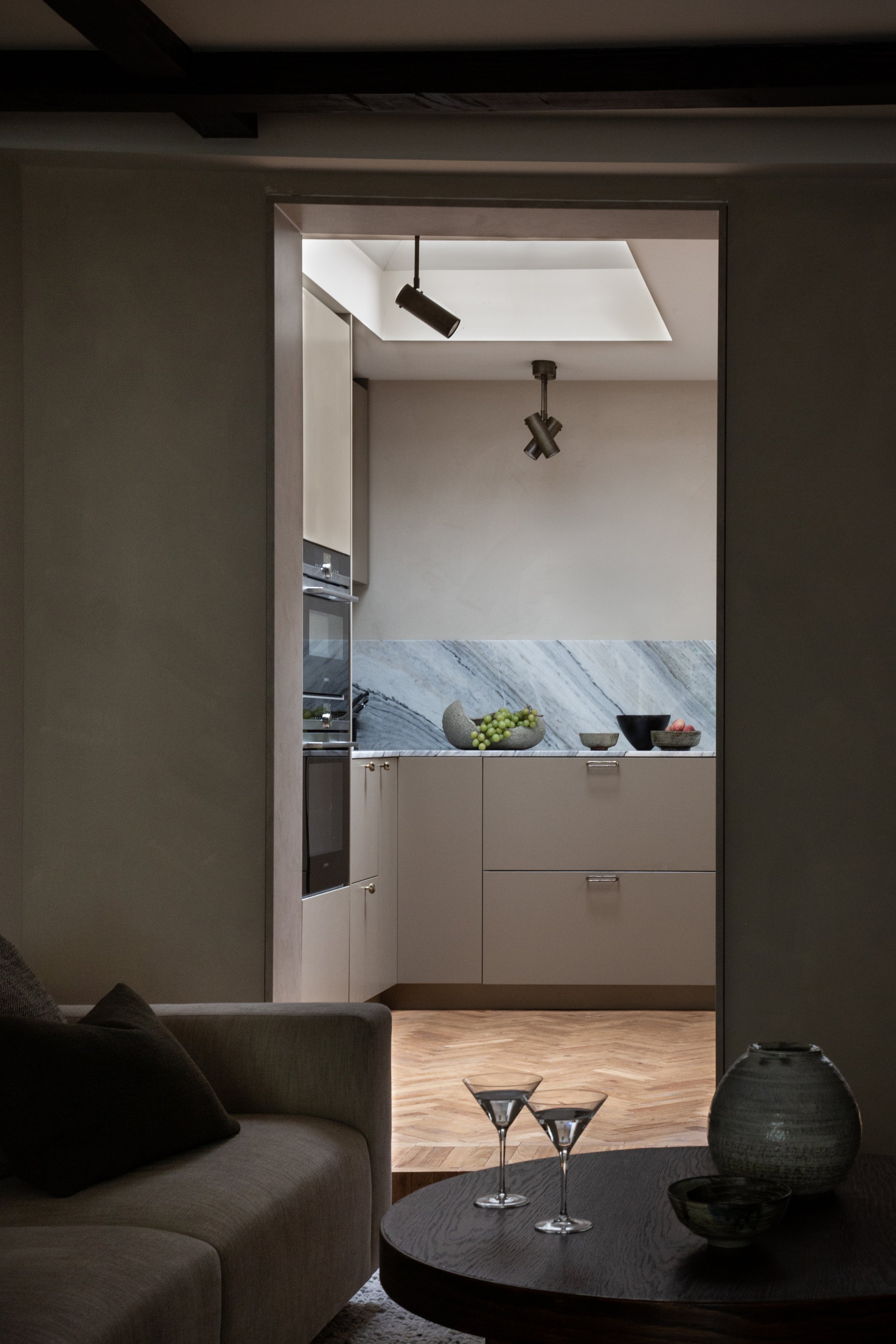
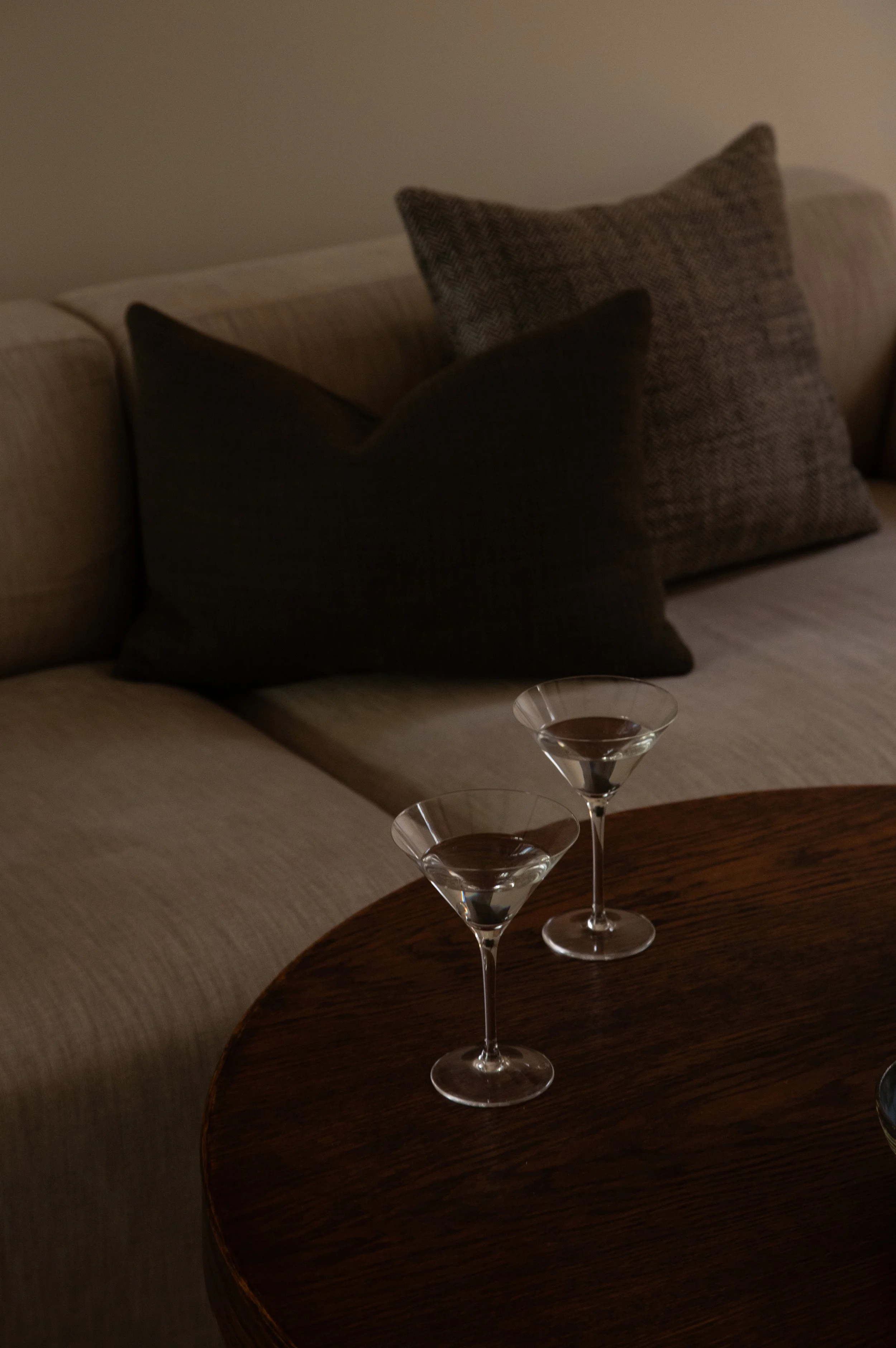
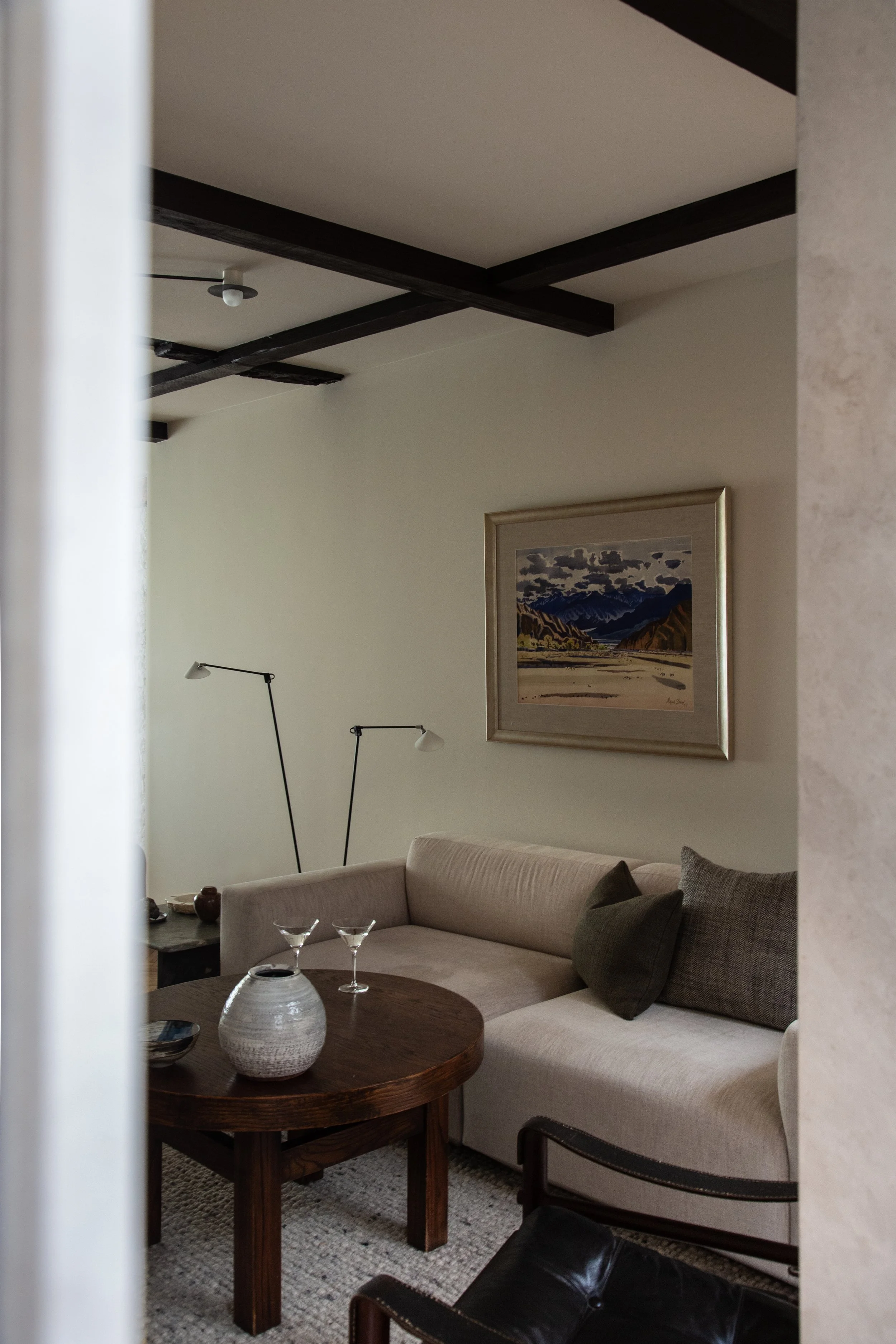
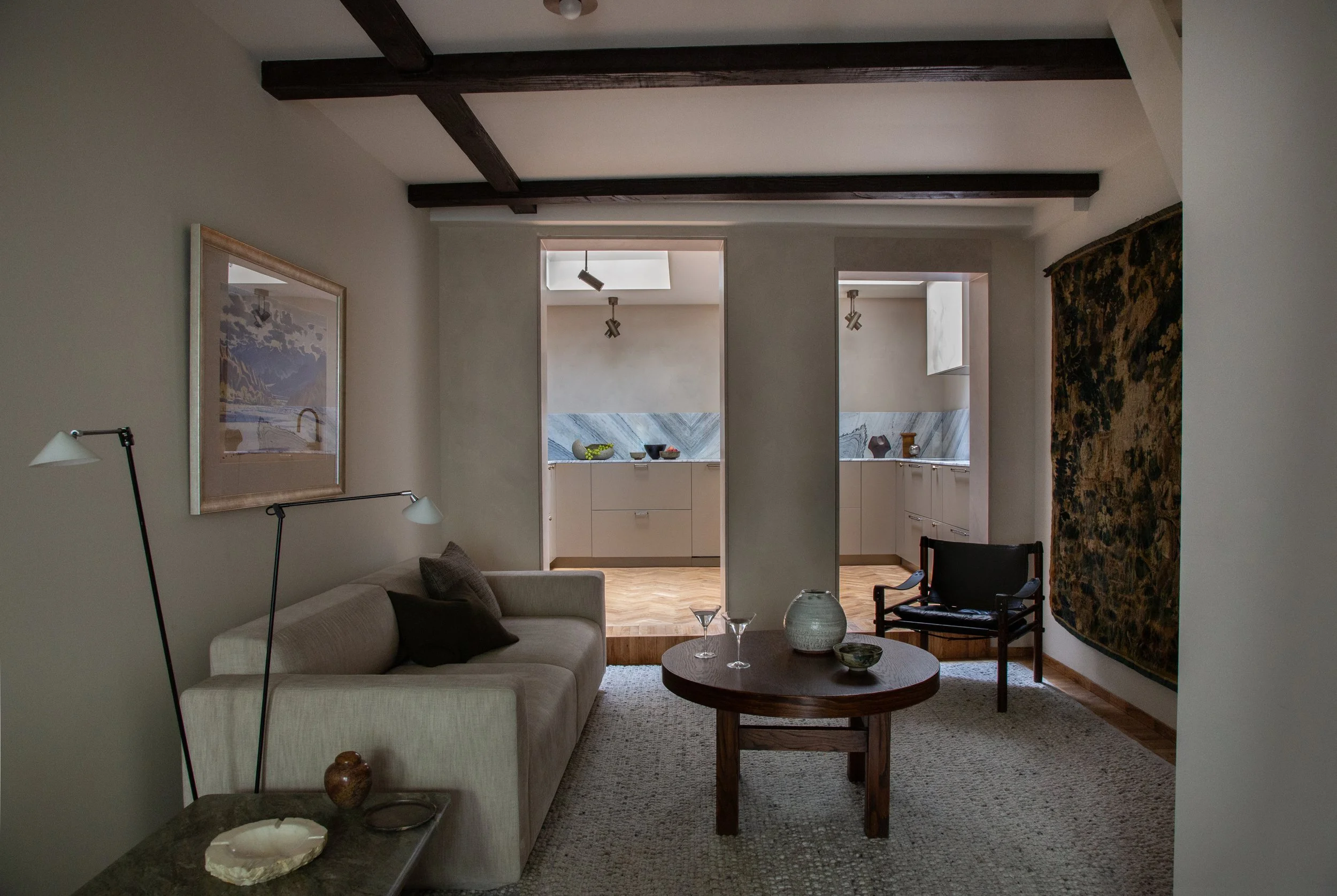
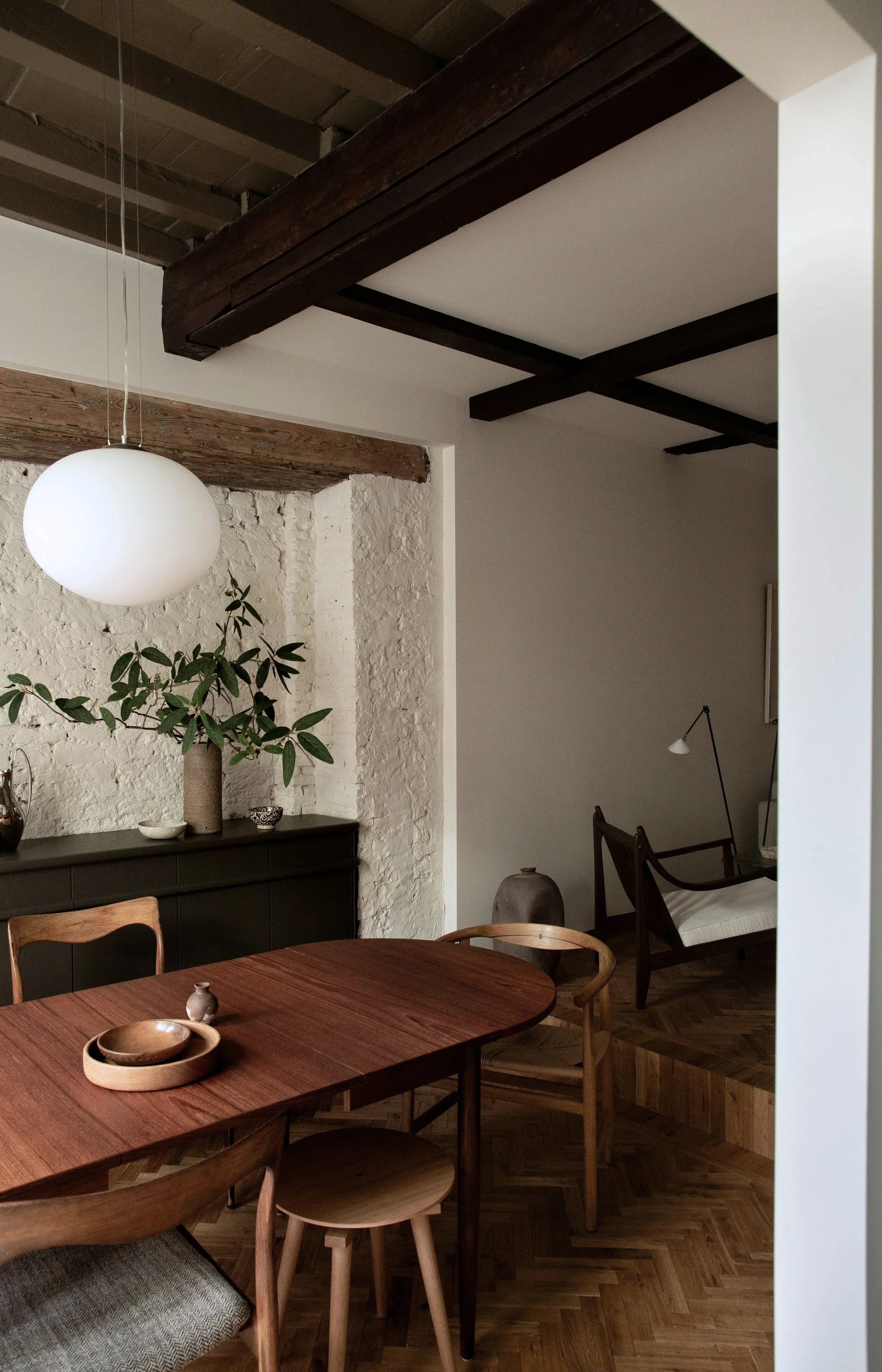
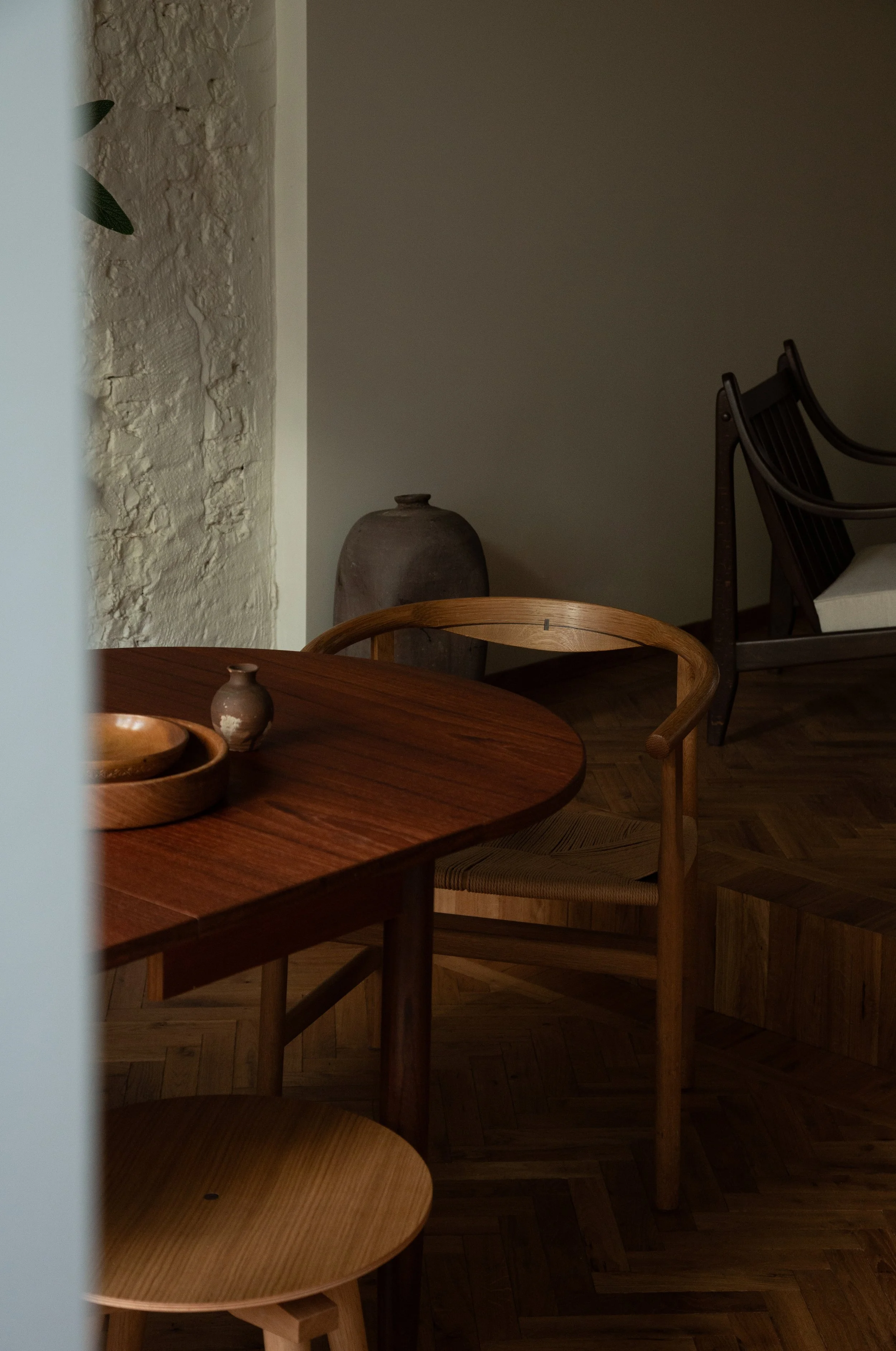
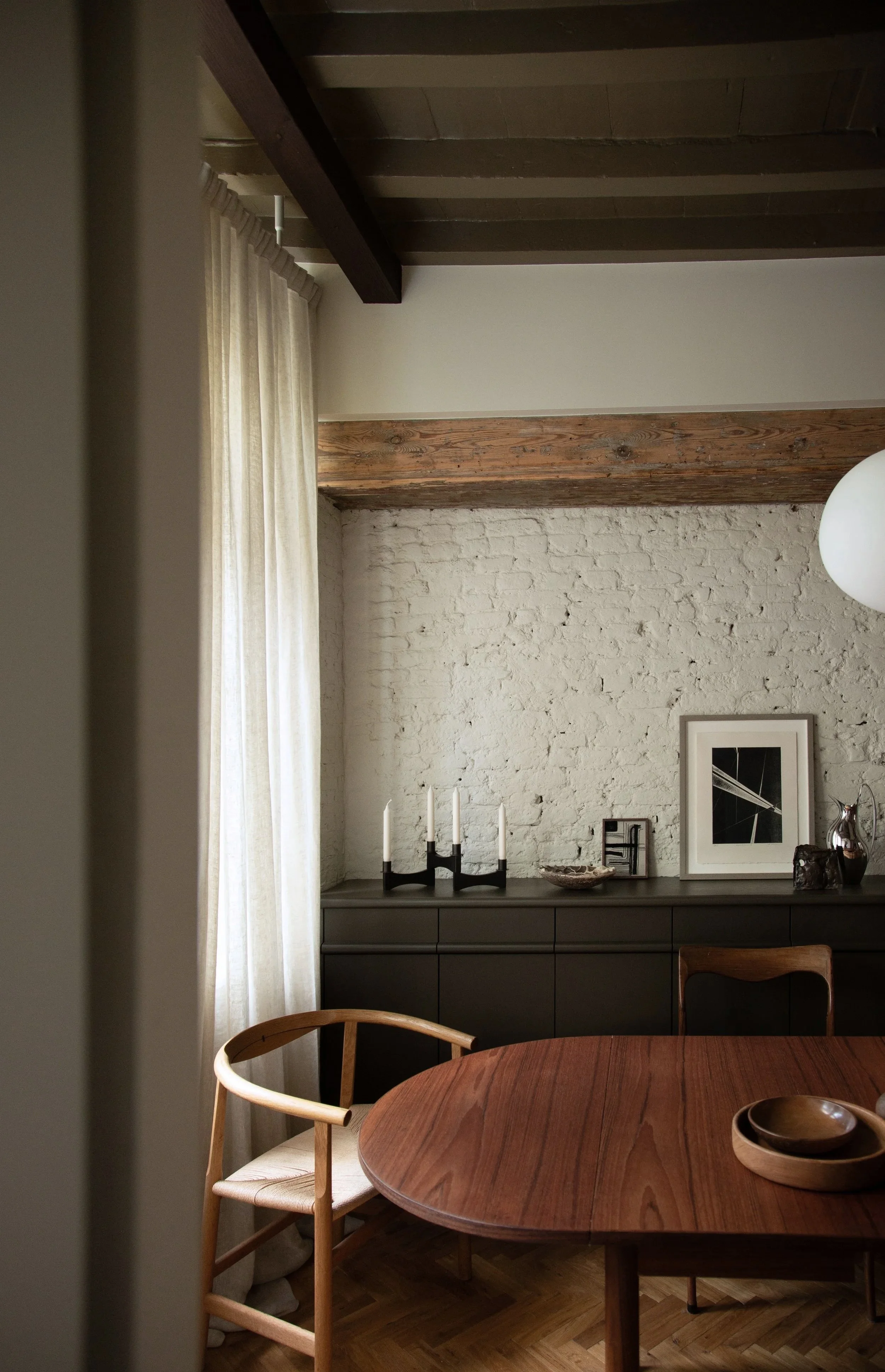
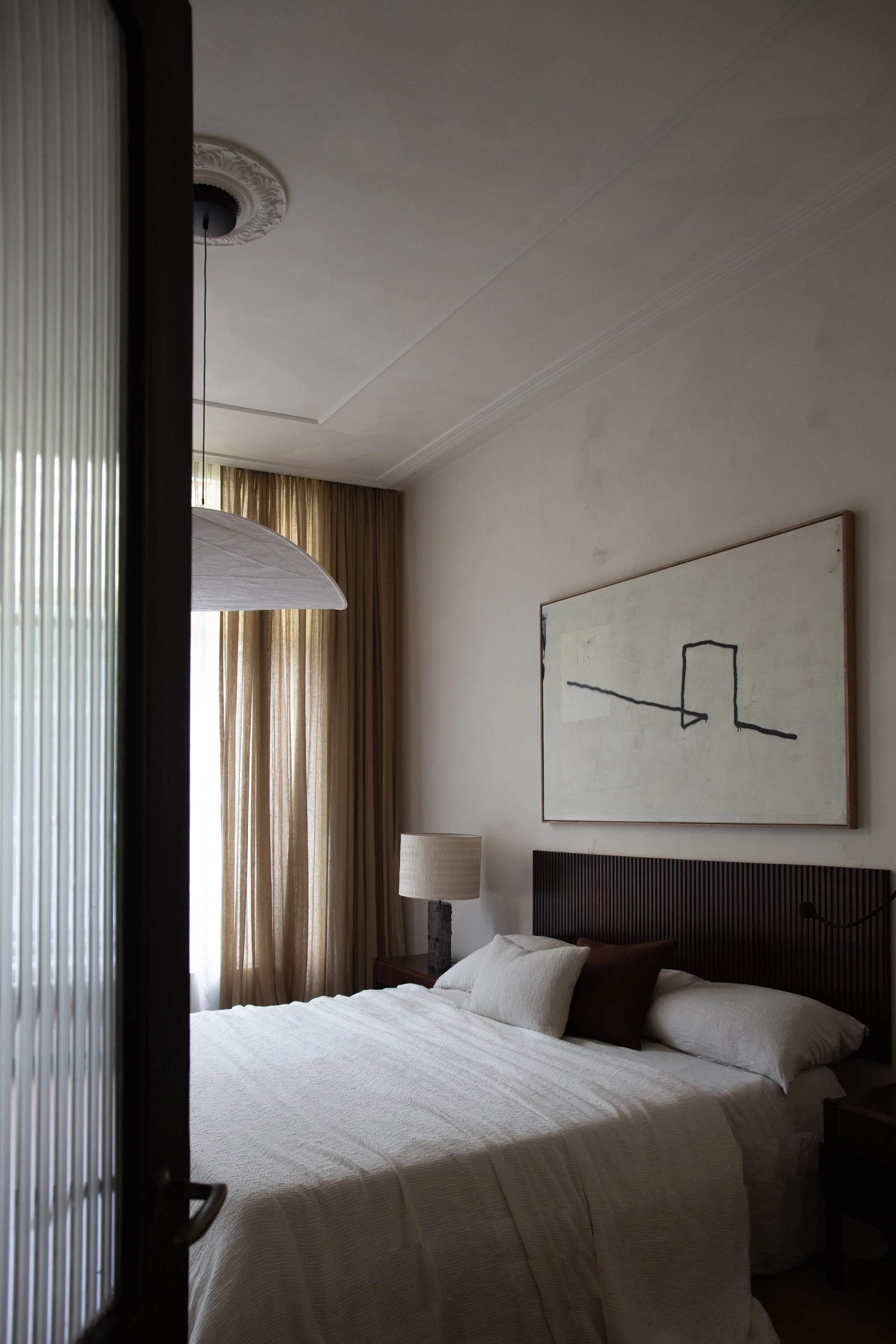
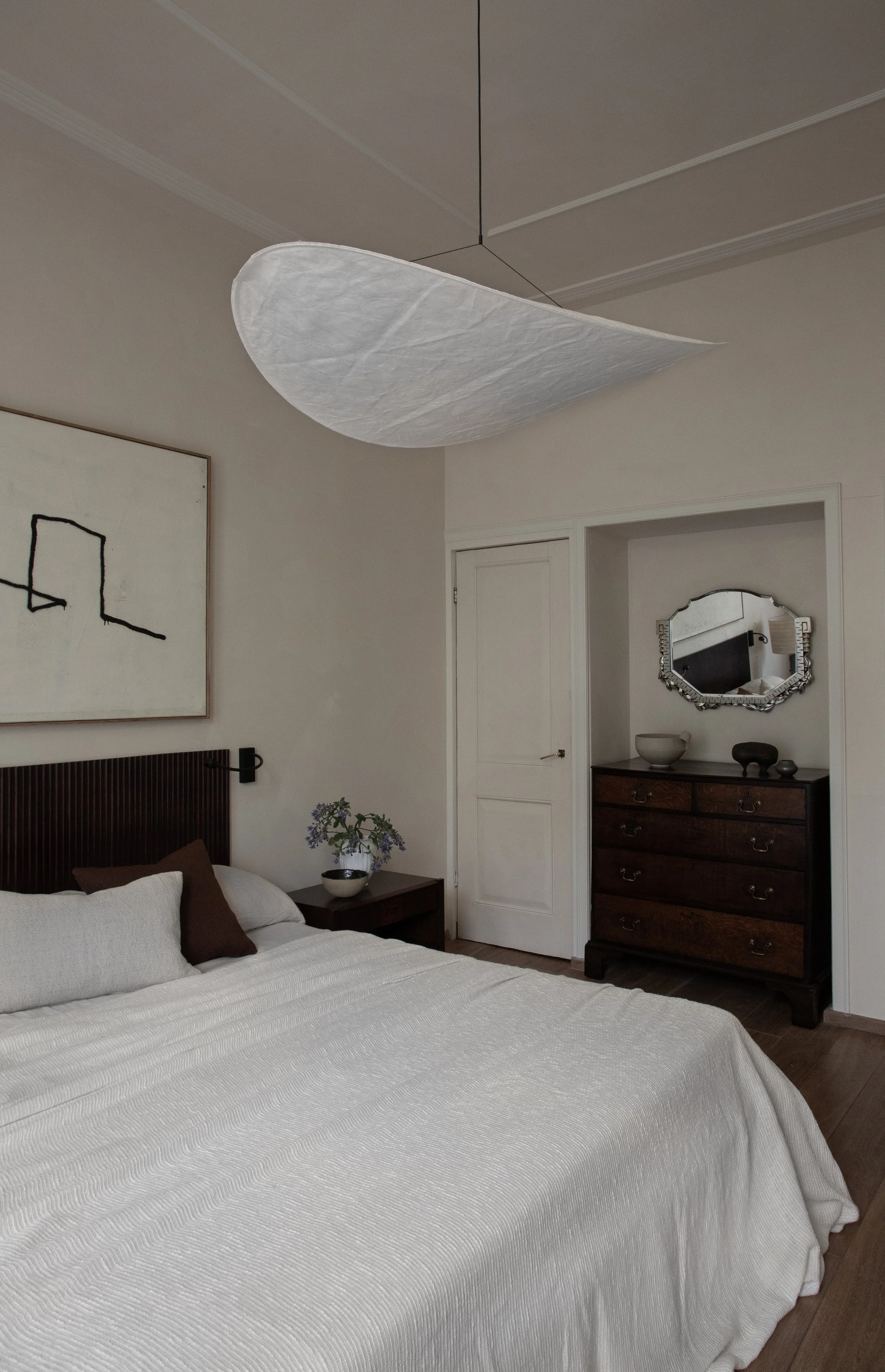
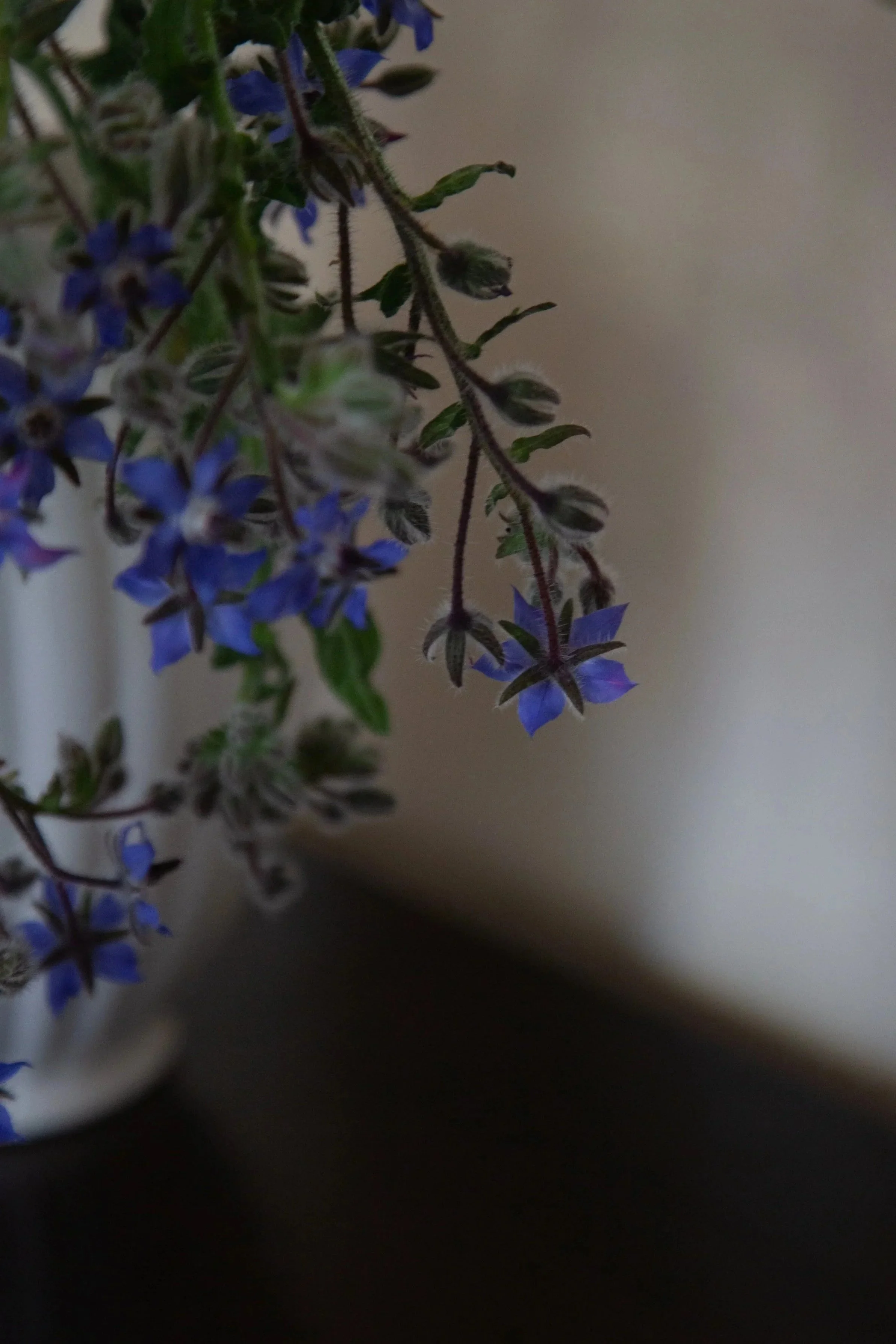
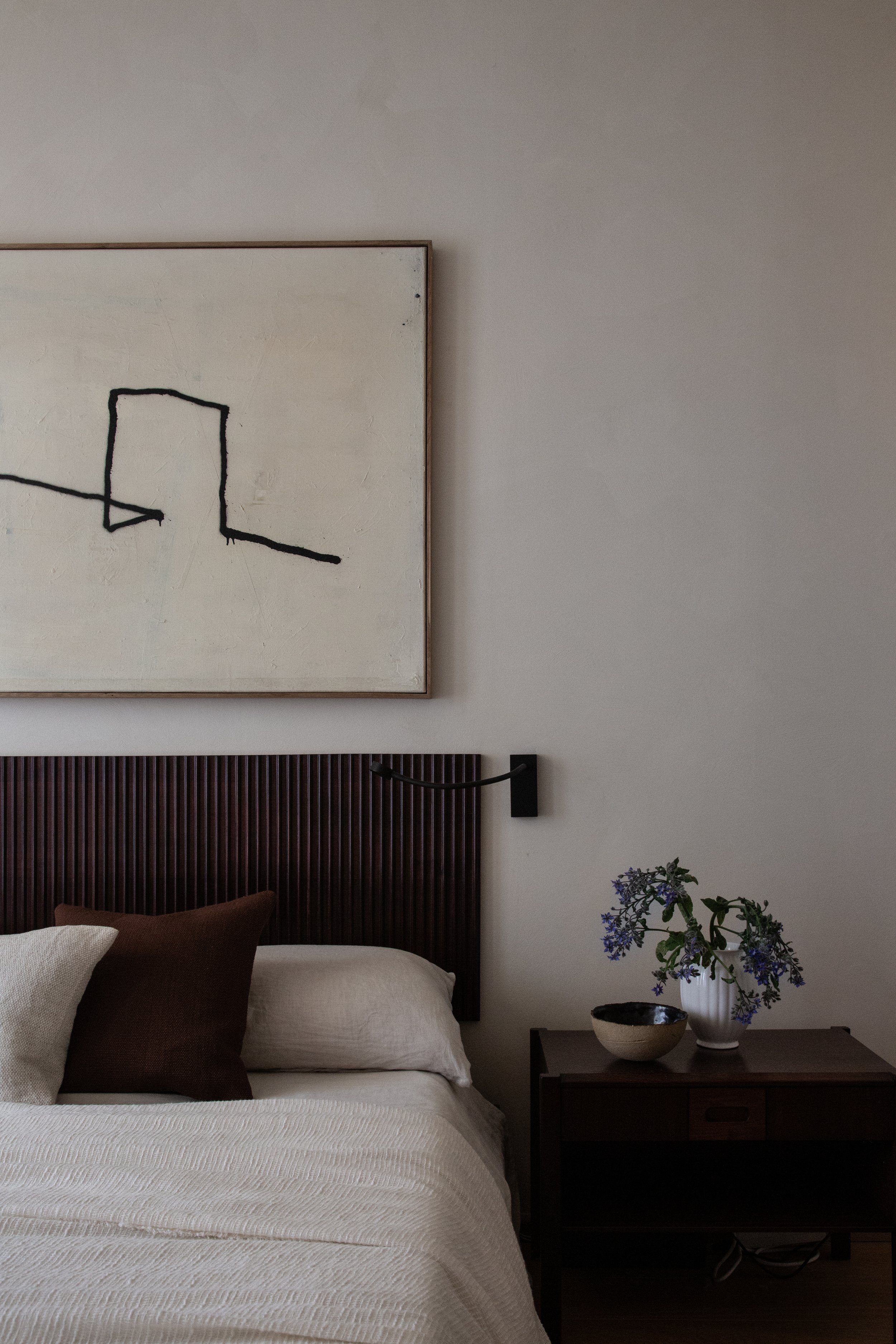
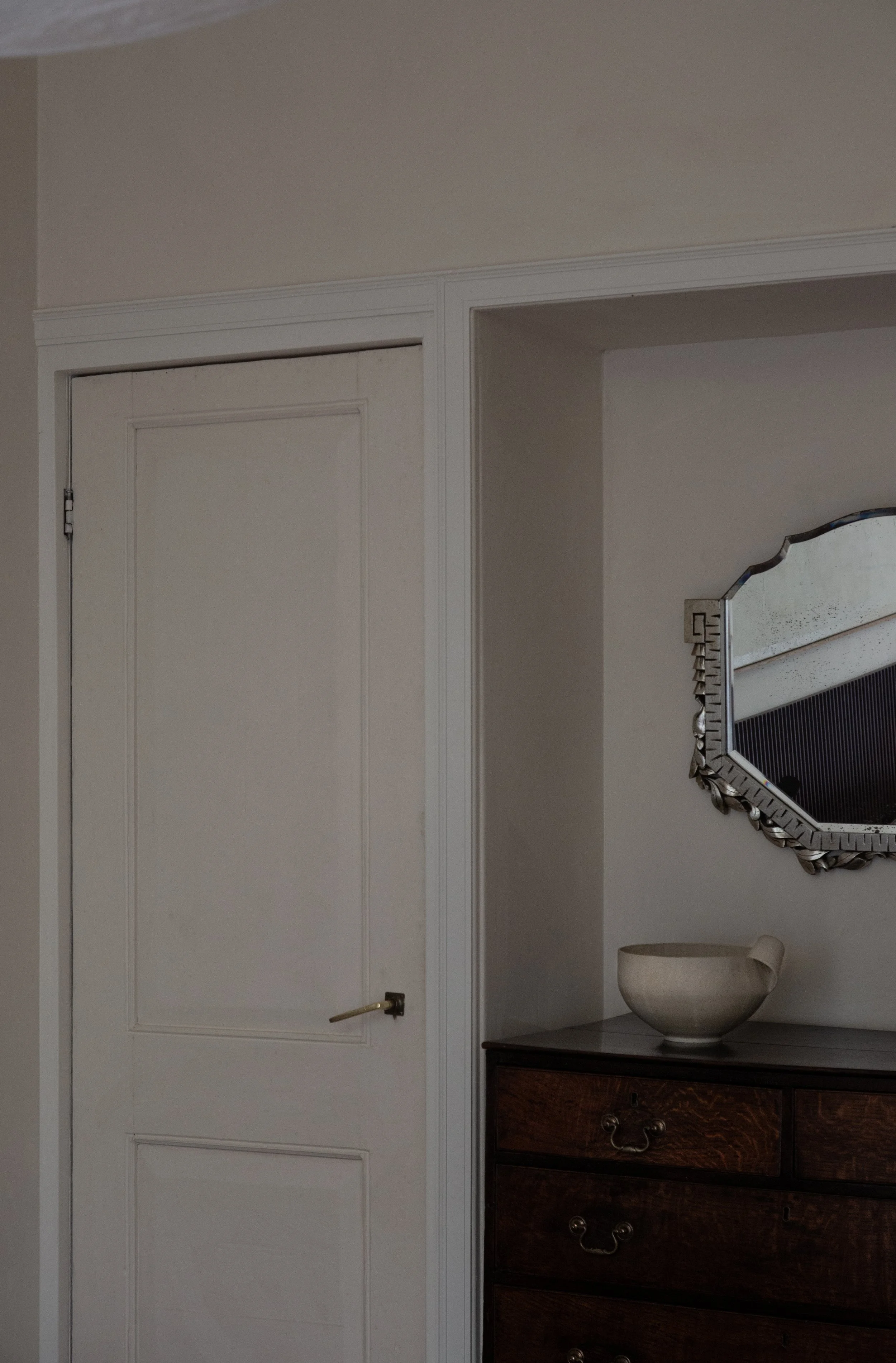
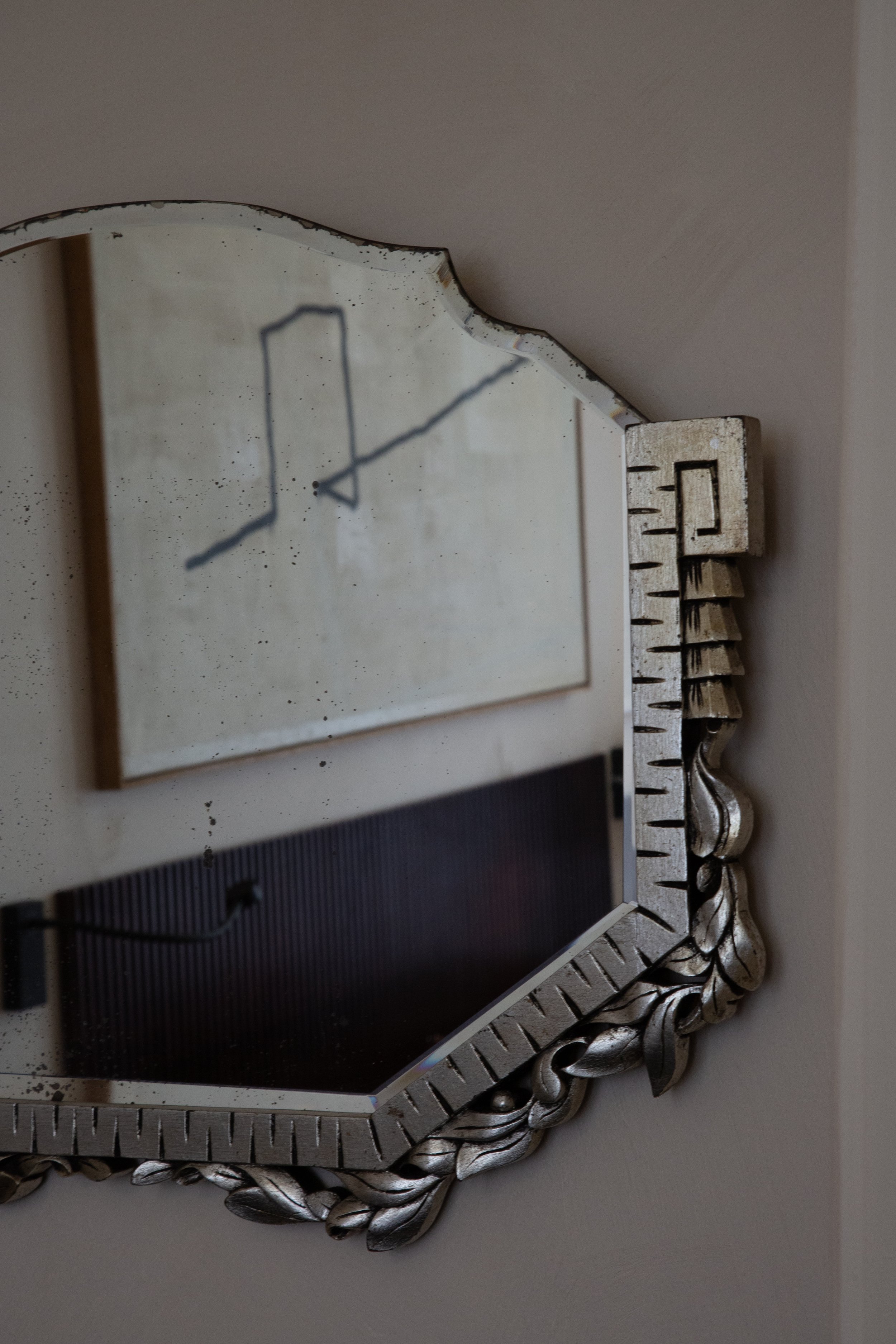
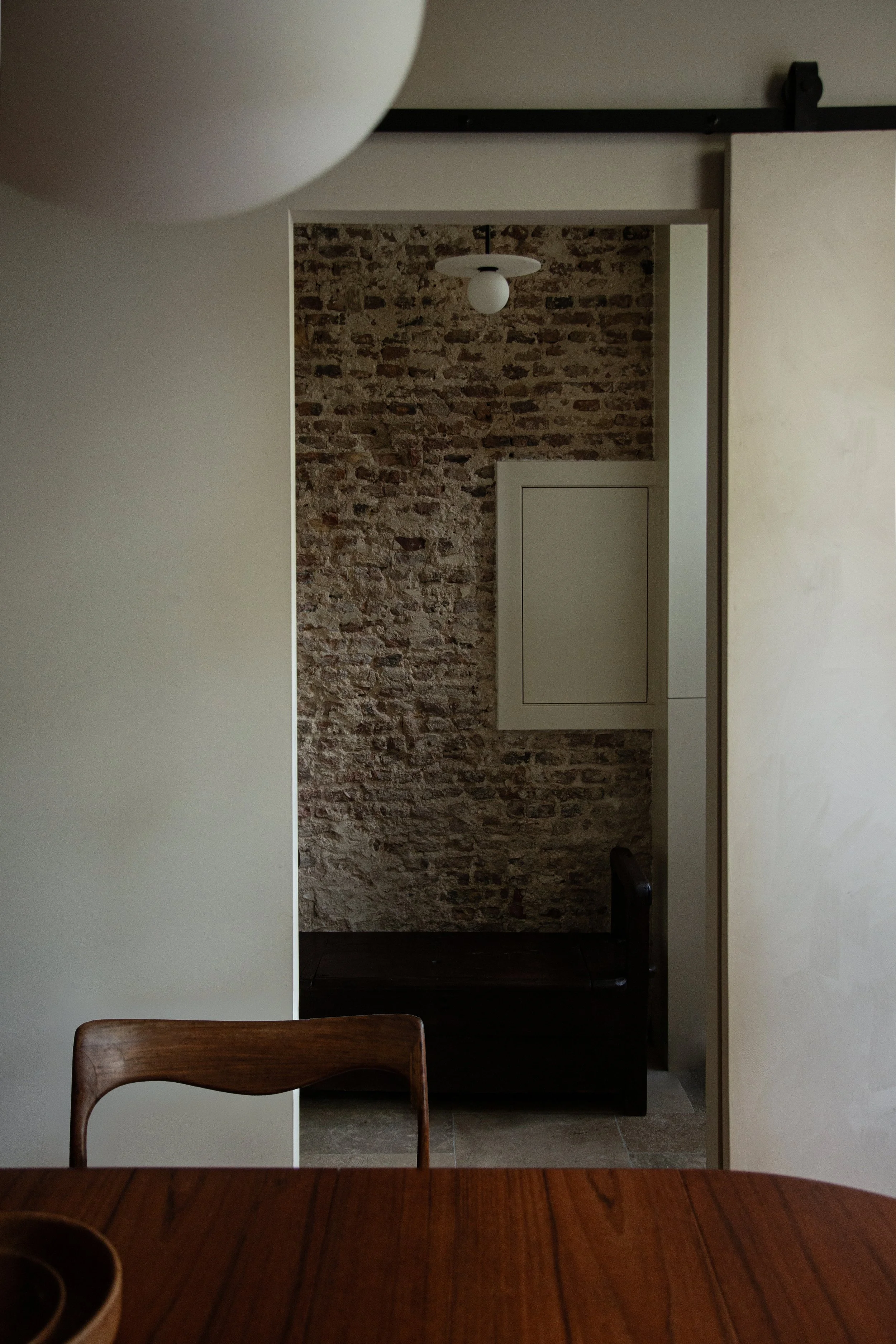
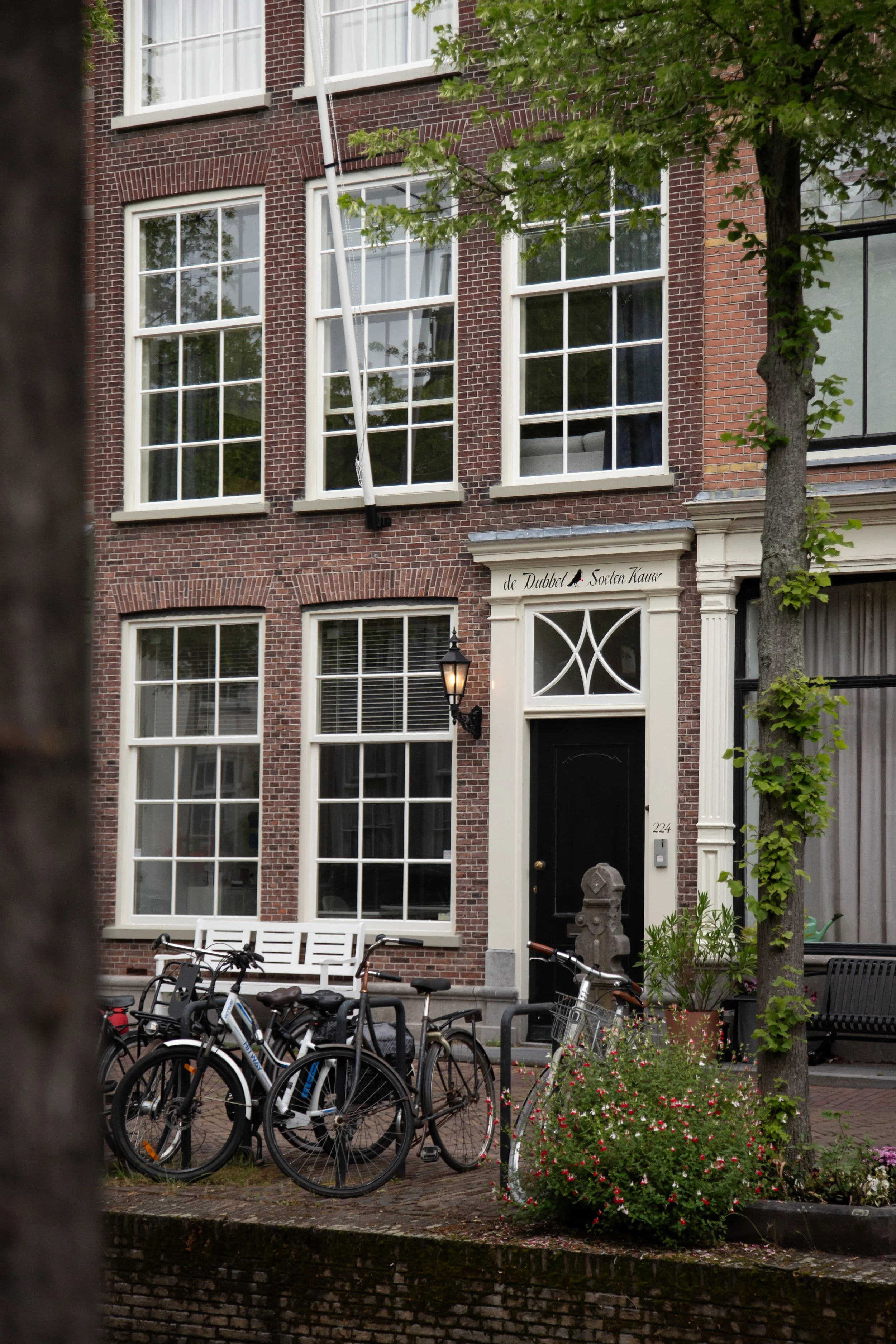
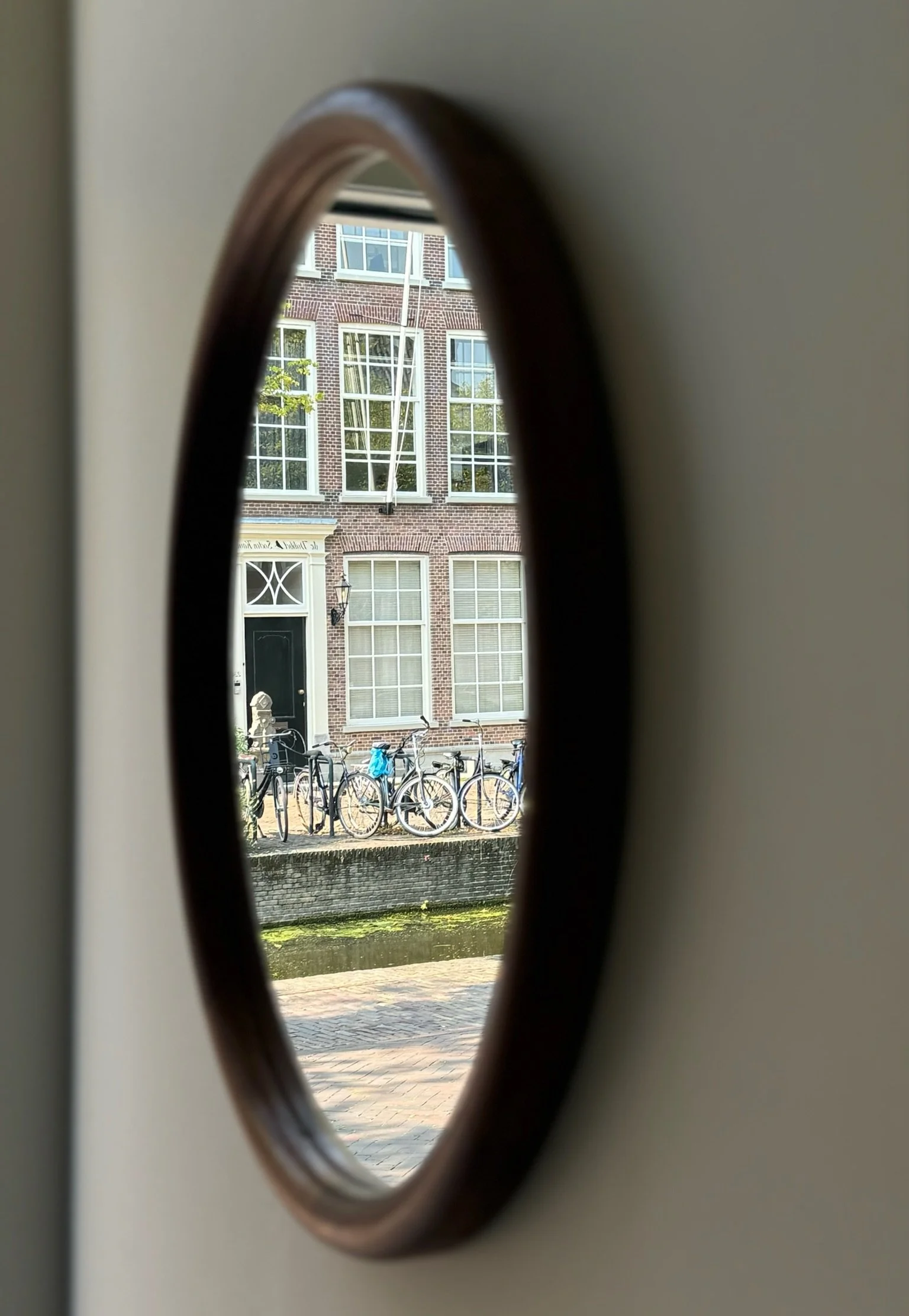
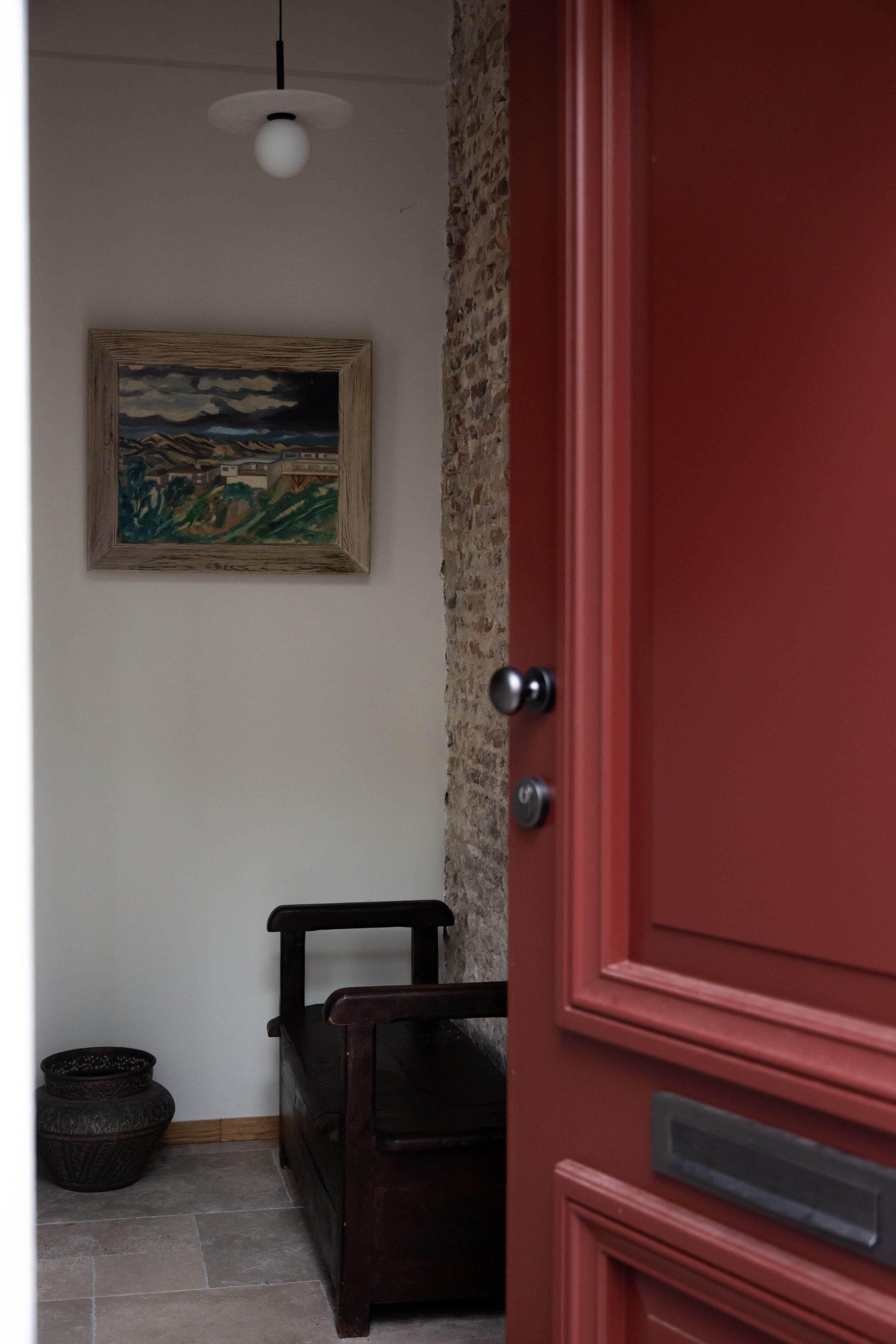
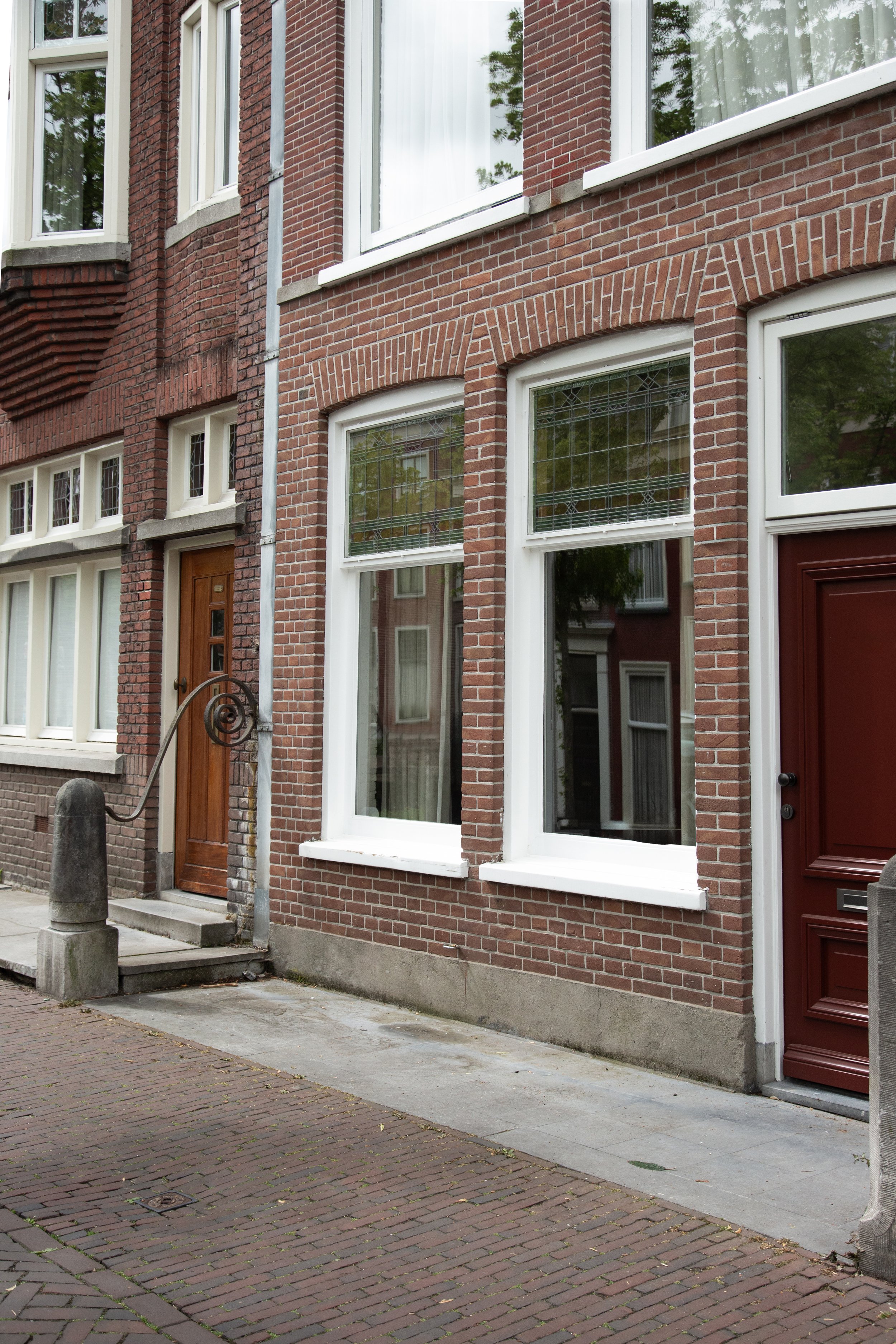
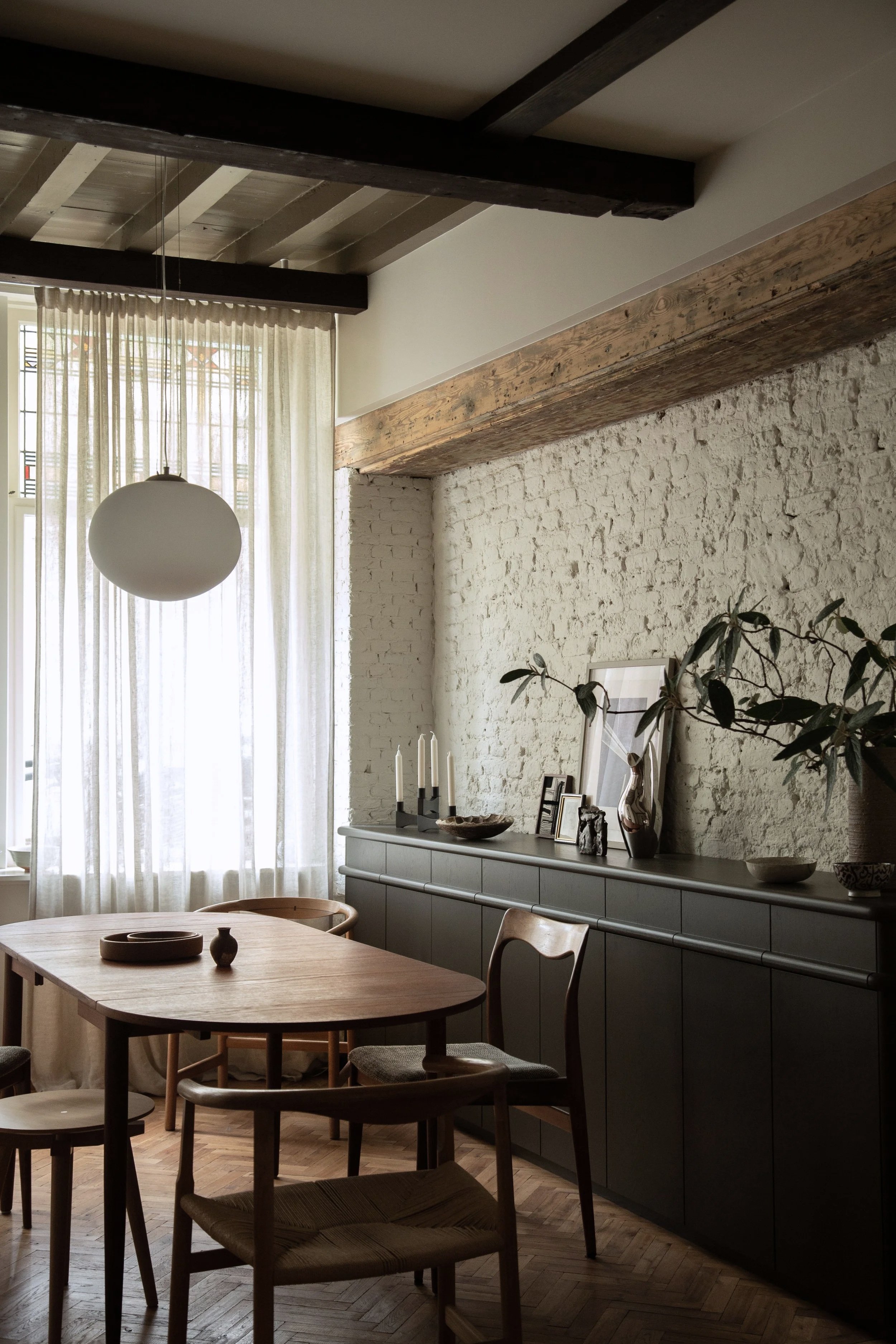
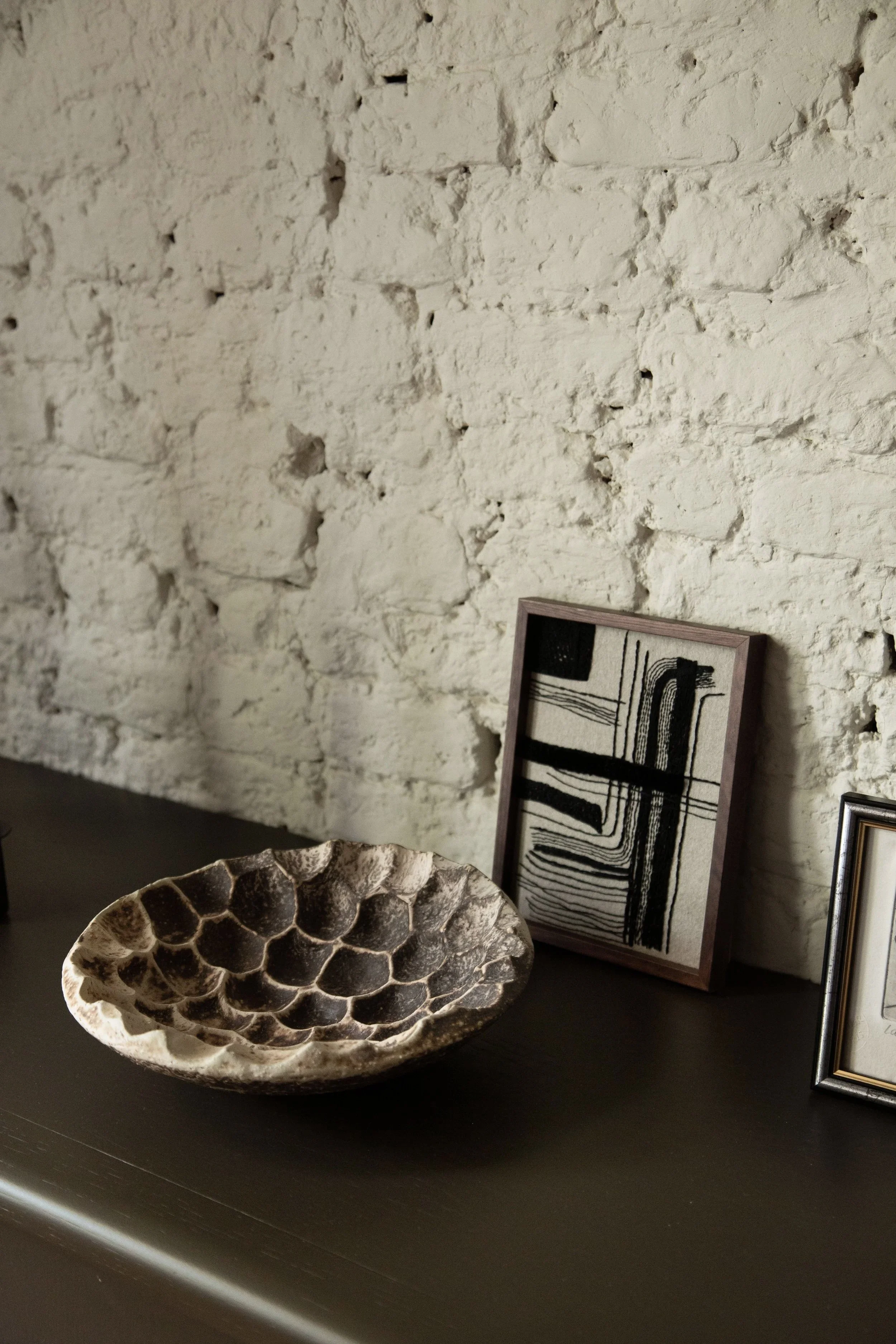
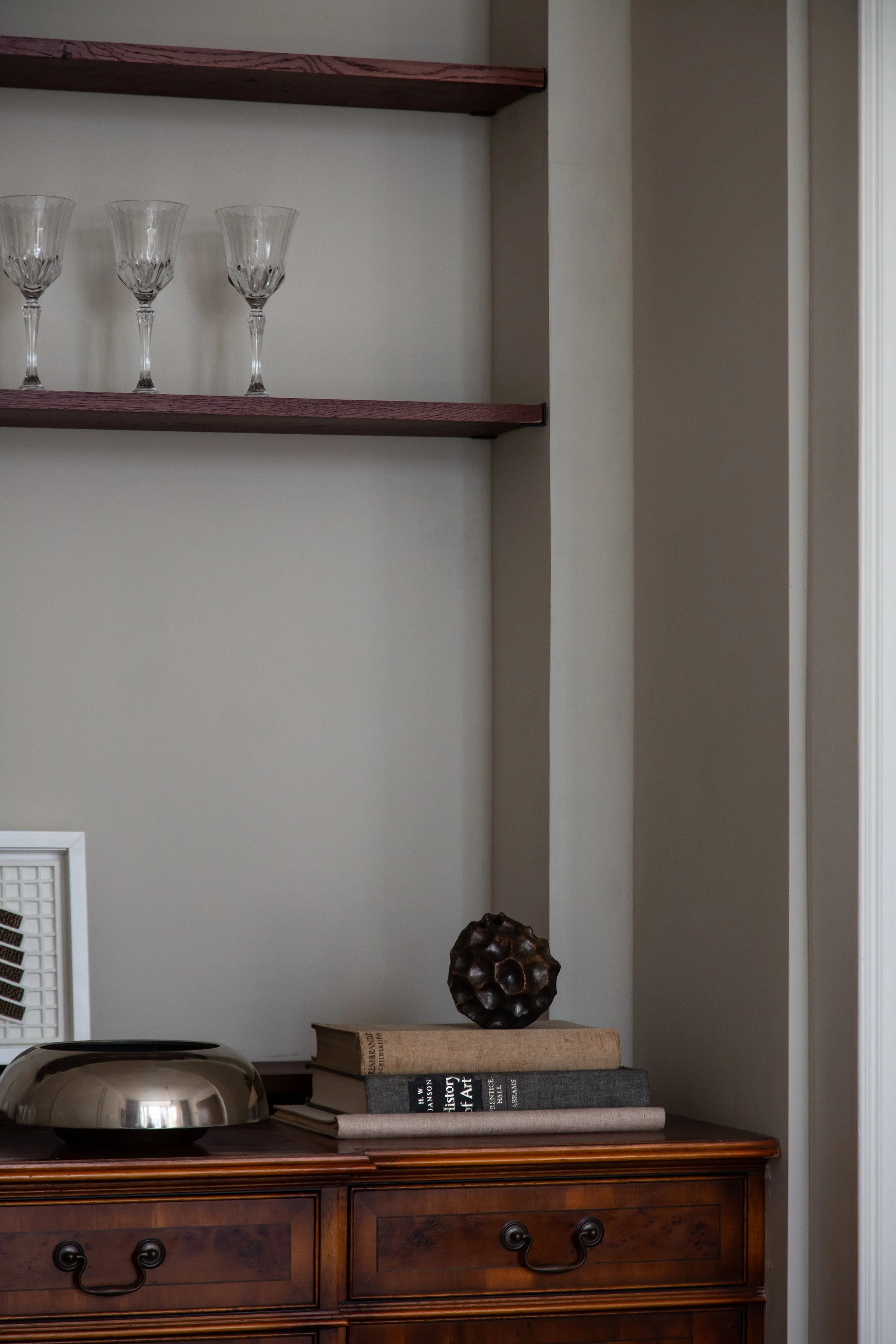
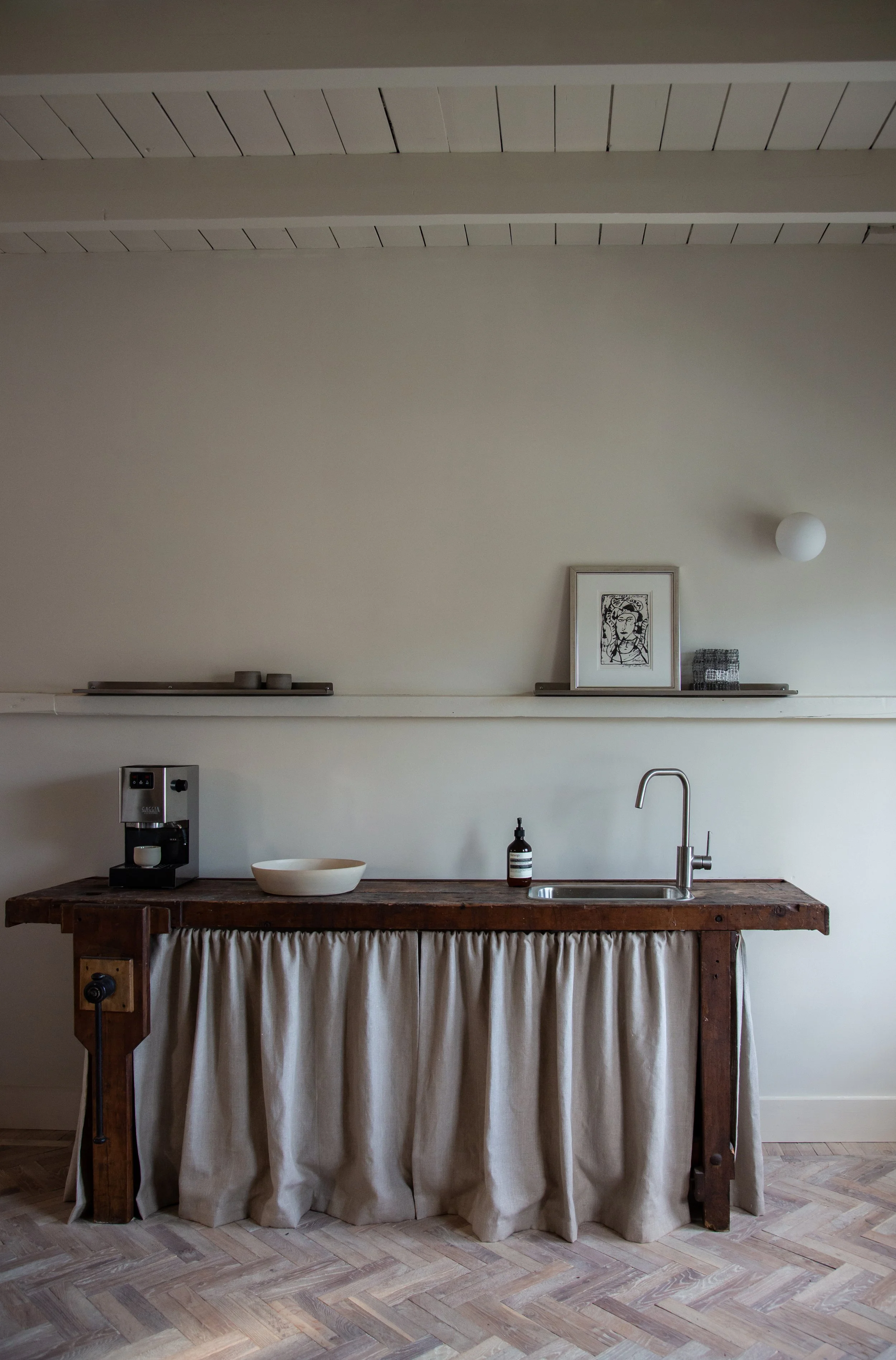
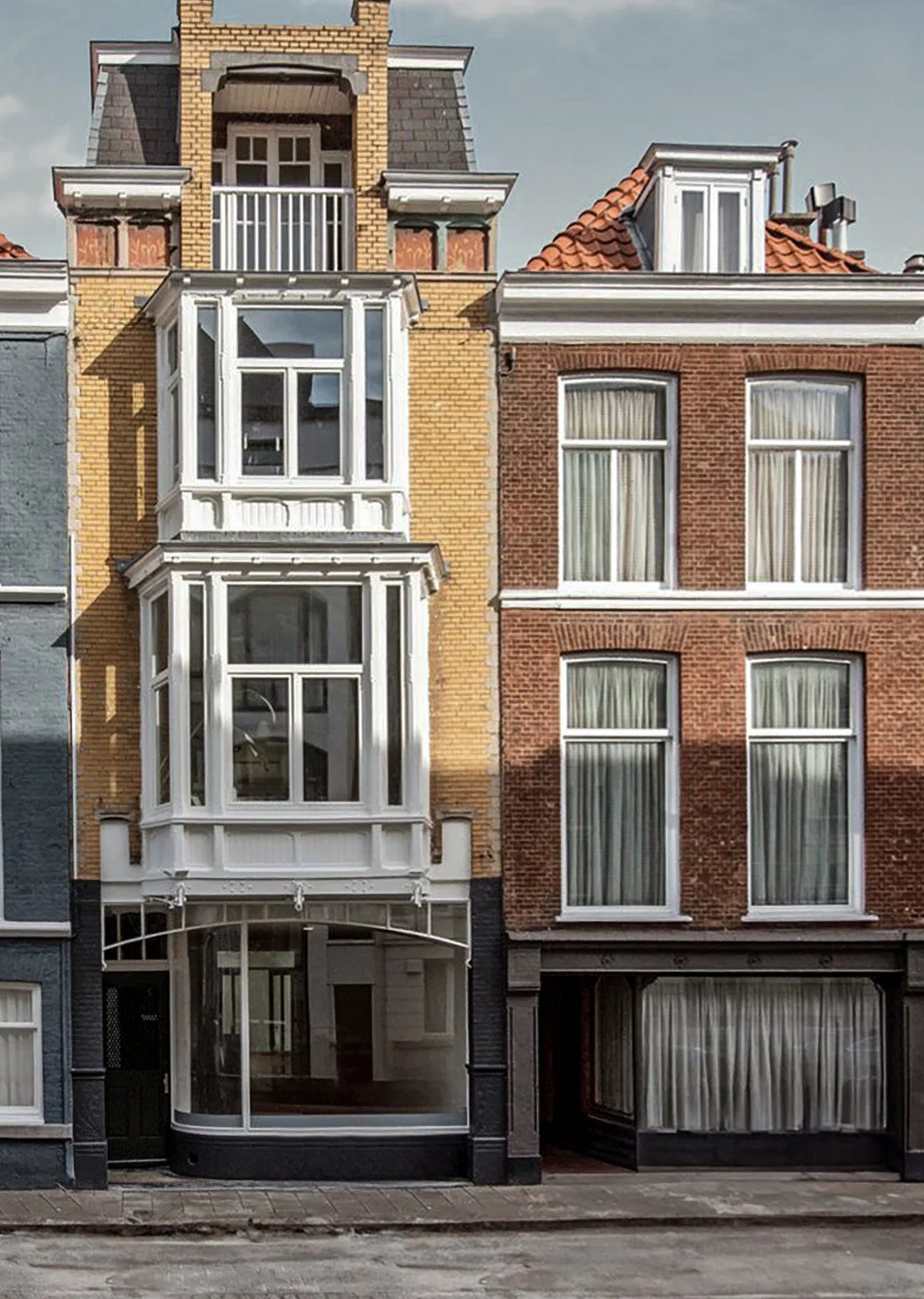
When our Los Angeles originating clients purchased this 18th century canal townhouse in the historic centre of Delft, they were captivated by its charm. And though the modest scale of the property was a world away from what they were accustomed to, it was precisely this sense of history and intimacy that drew them in. What initially appeared to be a straightforward renovation soon revealed itself to be far more complex. As layers of plaster, walls and ceilings were removed, centuries-old structural deterioration emerged, requiring extensive reinforcement of timber beams, making this one of our most intensive restoration projects to date. Alongside these challenges came discoveries that ultimately shaped the design direction. Historic plaster revealed traces of colours accumulated over centuries, inspiring a new palette rooted in the home's own past, while deteriorated leather straps fixed to the walls hinted that the ground floor may once have housed stables. Rather than overlook these findings in pursuit of modernisation, we saw them as valuable clues that deepened our understanding of the building and informed every subsequent decision. Throughout Petit Delft, the intention was never to erase the passage of time, but to allow the home's history to remain visible. Original brickwork was revealed where possible, historic timber beams were retained and celebrated, and contemporary interventions were approached with restraint. Entering from the canal-lined street, a modest exposed-brick hall leads directly into the front living space. A bespoke sideboard sits against aged masonry and timber, while mismatched vintage pieces, collected objects and filtered daylight create an atmosphere that feels both relaxed and enduring. A brutalist coffee table anchors the sitting room before it opens onto a light-filled kitchen through stone-clad walkways. At the rear of the house, in what was once an outdoor terrace, soft-toned cabinetry and expressive natural stone introduce a refined materiality that sits comfortably within the historic shell. Strategically positioned skylights draw necessary natural light deep into the centre of the home and reinforce the connection between all three floors. Upstairs, clay finished walls, linen drapery and antique furnishings create a warm and understated primary suite, balanced by contemporary lighting and artwork. The result is a home that feels deeply connected to its history, a reminder that the most rewarding projects are often those in which the building itself becomes an active participant in the design process.
Interior Design & Photography: Avenue Design Studio | Styling & Production: Kate Davison | Art curation: A . Gallery.